TL;DR: Black gum identification (Nyssa sylvatica) uses glossy alternate elliptical leaves with smooth margins, spectacular scarlet fall color, and blocky alligator-hide bark on mature trunks. Also called black tupelo or sour gum, it grows in moist acidic soils across eastern North America. Photograph fall foliage or blocky bark and confirm with the Tree Identifier app.
🔴 Black gum identification shortcut: glossy entire-margined leaves + the reddest fall color in the woods + blocky dark bark on old trees = Nyssa sylvatica.
Understanding black gum — genus Nyssa
Black gum (Nyssa sylvatica) belongs to genus Nyssa in the dogwood family (Cornaceae) — related to dogwoods and tupelo trees of southern swamps. Common names include black tupelo, sour gum, pepperidge, and beetlebung. The name "gum" refers to bitter sap, not rubber production.
Black gum identification is often delayed until October when a single tree flames scarlet while neighbors stay green — then everyone asks what it is. In summer, black gum blends into mesic forest canopy with glossy leaves that resemble persimmon or black cherry until you check margins and fall performance.
Key species traits:
- Leaves: Alternate, simple, elliptical to obovate, two to five inches, glossy above, entire margin, often bristle-tipped.
- Fall color: Intense scarlet, crimson, burgundy — among the finest native reds.
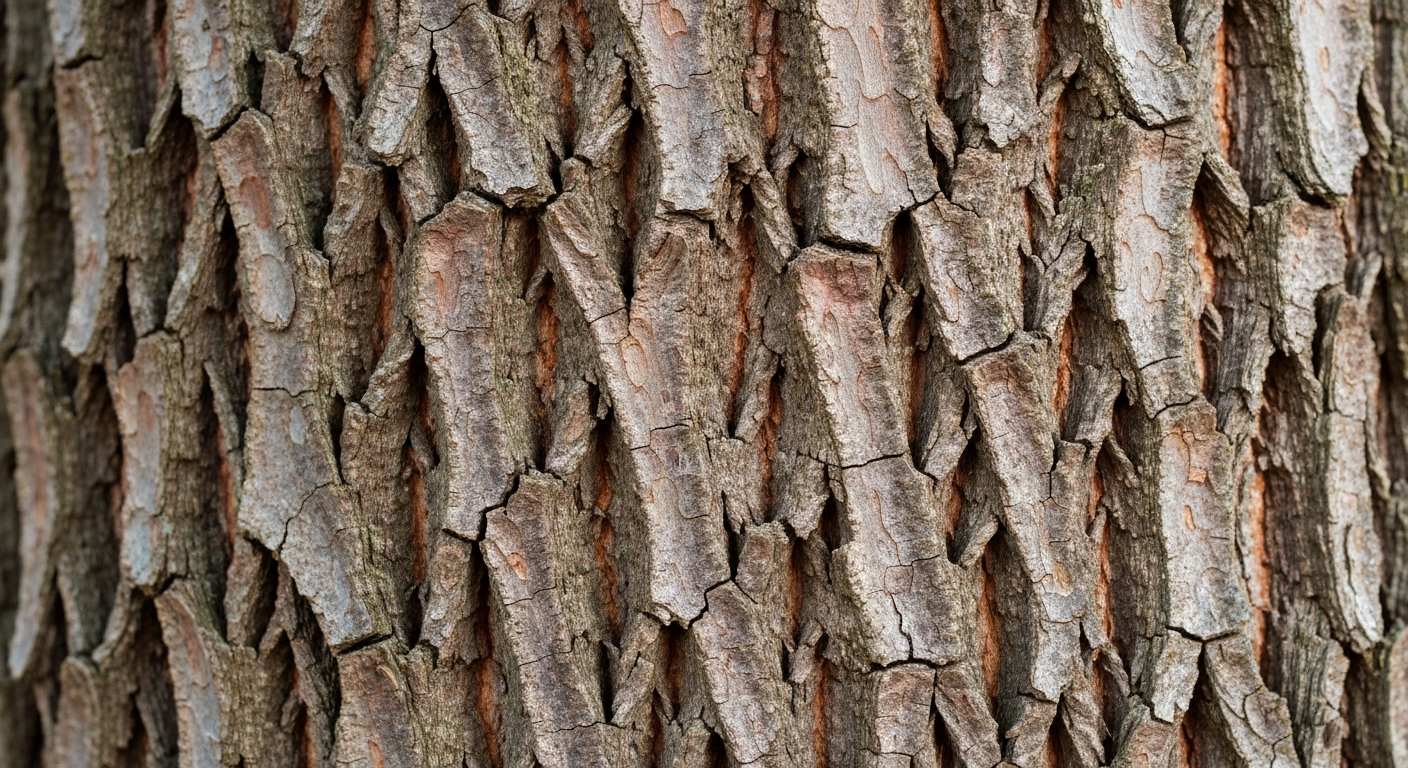
- Bark: Young smooth gray; mature deeply furrowed blocky plates like alligator hide.
- Fruit: Blue-black drupes on female trees, September to October.
- Habitat: Moist acidic soils — swamp margins, stream banks, upland woods with adequate moisture.
- Form: Pyramidal when young; irregular crown with horizontal branches when mature; 50 to 80 feet tall.
Black gum leaf identification
Leaves are the summer ID anchor for black gum identification when bark is still smooth on younger trees.
Shape: Elliptical to slightly obovate (wider toward tip), two to five inches long, one to two inches wide. Tip often ends in a short bristle or abrupt point. Base is wedge-shaped to rounded.
Margin: Entire — smooth edge without teeth. This separates black gum from black cherry (fine teeth), sweetgum (lobes), and many oaks. The margin is a fast field check.
Texture: Thick and leathery, glossy dark green above, paler and sometimes hairy along midvein below. Surface reflects light — leaves look varnished in sun.
Arrangement: Alternate on the twig — one leaf per node. Not opposite like dogwood.
Petiole: Slender, often reddish, with paired stipule scars visible as tiny dots at base on some specimens.
Photograph one leaf against sky to show entire margin and glossy surface. See Tree Foliage Identification Guide for summer canopy tips.
Fall color — the signature season
Black gum fall color is the species' most famous trait. In October, leaves turn uniform scarlet to deep burgundy — often more saturated than red maple on the same hillside. Color can appear tree-wide simultaneously rather than patchy.
Timing varies by latitude — peak in northern New England mid-October; southern Appalachia late October; Gulf Coast into November. Overcast days make the red appear darker; backlit sun makes crowns glow.
Fall black gum identification from a distance: scan the canopy for isolated red trees in otherwise green woods. Approach and confirm glossy elliptical leaves and alternate arrangement. Bark on mature trees confirms even after leaves drop.
Landscape cultivars like 'Wildfire' and 'Red Rage' are selected for reliable red color in nursery trade.
Black gum bark identification
Bark develops with age — critical for winter black gum identification.
Young trees (under 8 inches DBH): Smooth gray bark resembling beech or young red maple. Blocky pattern not yet visible — rely on buds, leaf scars, or nearby fallen leaves.
Mature trees: Thick dark gray to nearly black bark broken into blocky ridges separated by deep furrows. Pattern resembles alligator hide or rough cobblestone pavement — rectangular blocks raised from the trunk. Among the most distinctive mature bark textures in eastern deciduous forest.
Branches: Unlike sweetgum, black gum lacks corky winged ridges on twigs. Branches are relatively smooth, often horizontal or slightly drooping on lower crown.
Photograph blocky bark at chest height for app confirmation. See Tree Bark Identification App Guide for bark photography.
Flowers and fruit
Flowers: Small yellow-green, in clusters on long stalks, appearing with new leaves in spring. Dioecious — male and female flowers on separate trees. Not showy but useful for confirmation in April.
Fruit: Female trees bear oval drupes about half an inch long, ripening from green to dark blue-black in fall. Flesh is sour; seeds dispersed by birds. Fruit clusters on stalks one to three inches long — not spherical gum balls.
Many street and yard plantings are male clones or cultivars without fruit litter.
Habitat and range
Nyssa sylvatica ranges from southern Maine to Michigan, south to Florida and Texas. It tolerates both periodically flooded soils and upland sites with adequate moisture — more versatile than water tupelo (Nyssa aquatica) of deep southern swamps.
Typical sites: red maple-black gum swamps, stream terraces, acidic ridge forests in Appalachians, pond edges. Often associates with red maple, pin oak, and sweetbay magnolia in wet woods.
Soil preference: acidic pH; chlorosis on alkaline urban soils limits street planting unless soil is amended.
Black gum vs lookalikes
Sweetgum (Liquidambar styraciflua)
Star-shaped five to seven lobed leaves — not elliptical. Spiky "gum ball" seed clusters. Both turn red in fall — leaf shape is the instant split. Sweetgum is more common in disturbed upland and suburban lots.
Black cherry (Prunus serotina)
Alternate simple leaves but finely serrated margins and bitter almond scent when crushed twig is scratched. Bark on mature cherry is dark scaly plates, not blocky alligator pattern. Cherry fall color is yellow to orange-red, usually less uniform scarlet.
Persimmon (Diospyros virginiana)
Similar glossy entire-margined leaves but often larger and more obovate. Persimmon bark is thick blocky on old trees too — but fruit is large orange persimmons, unmistakable in fall. Buds are hairy; black gum buds are smoother.
Red maple (Acer rubrum)
Opposite leaves — three lobes typical, not elliptical entire margins. Red maple fall color is excellent but leaves show lobes and opposite arrangement. Red maple bark is platy gray, not alligator blocky.
Dogwood (Cornus florida)
Opposite leaves with arcuate venation and notched tips. Small understory tree. Black gum is typically larger with alternate leaves.
Wildlife and cultural notes
Black gum fruit feeds robins, thrushes, woodpeckers, and black bears. Hollow trunks provide den sites. Honey from tupelo nectar (related southern species) is famous; black gum contributes to wildflower honey in its range.
Timber is tough, cross-grained, and difficult to split — historically used for mallets, hubs, and pulp. Not a major lumber species but valued for fall color in native landscaping.
Fire ecology: black gum is fire-sensitive; absence of fire in many eastern forests has allowed expansion into upland sites where it once was restricted to wet refugia.
Using Tree Identifier for black gum
Tree Identifier recognizes Nyssa sylvatica from leaf, bark, and fall color photos.
Best photos: Single glossy leaf showing entire margin and bristle tip. October crown or branch with full scarlet leaves. Mature blocky bark patch filling the frame.
Summer caution: Green leaves alone may return persimmon or cherry — add bark photo or wait for fall color confirmation.
Black gum identification rewards patience — mark a glossy-leaved tree in July and return in October when the answer turns red.
Frequently asked questions
How do you identify a black gum tree?
Identify black gum (Nyssa sylvatica) by glossy dark green alternate simple leaves two to five inches long with smooth margins and often a bristle tip. Fall foliage turns intense scarlet to burgundy — among the reddest native trees. Mature bark is dark gray and deeply furrowed into blocky ridges resembling alligator hide. Small blue-black drupes ripen in fall on female trees. Habitat is moist acidic soils — swamp edges, stream banks, and upland woods.
What does black gum bark look like?
Young black gum bark is smooth and gray, developing into thick blocky plates on old trees — deep furrows form a cross-hatched pattern like alligator skin or chunky cobblestones. Bark is dark gray to nearly black on mature trunks. Unlike sweetgum, black gum bark does not have corky ridges on branches. Blocky bark appears on trees roughly 12 inches diameter and larger.
What is the difference between black gum and sweetgum?
Black gum (Nyssa sylvatica) has elliptical glossy leaves with entire smooth margins and brilliant red fall color. Sweetgum (Liquidambar styraciflua) has star-shaped leaves with five to seven pointed lobes and spiky round seed balls. Sweetgum bark is furrowed gray without blocky plates. Both turn red in fall but sweetgum leaves are unmistakably star-shaped. Sweetgum is common in disturbed upland sites; black gum favors moister soils.
When does black gum turn red?
Black gum fall color peaks in October through early November in the eastern US — often earlier and more intensely red than maples on the same site. Individual trees may show scarlet, crimson, or burgundy. Leaves are among the last to drop in some stands, creating a red canopy layer visible from distance. Fall color is a primary black gum identification cue when bark is not yet blocky on younger trees.
Is black gum the same as tupelo?
Yes — black gum is also called black tupelo, sour gum, or pepperidge. Nyssa sylvatica is the scientific name. Do not confuse with Nyssa aquatica (water tupelo) of deep southern swamps, which has buttressed trunks and larger leaves. Nyssa sylvatica grows in both wet and upland sites across eastern North America.
Does black gum produce fruit?
Female black gum trees produce small oval blue-black drupes about half an inch long in clusters on long stalks, ripening September through October. Fruit is sour and eaten by birds and bears. Male trees produce pollen only. Many landscape specimens are seedless cultivars selected for fall color. Fruit is useful for black gum identification when present but not required — leaves and bark suffice.
Can tree ID apps identify black gum?
Yes when photos show glossy leaf shape, red fall foliage, or blocky bark. Summer green leaves alone may confuse with persimmon or black cherry — add bark or fall color photo. Tree Identifier handles Nyssa sylvatica well from leaf and bark images across its native range. Photograph the leaf margin — entire edge without teeth separates black gum from many lookalikes.
Try Tree Identifier — free on iPhone
Photograph black gum leaves or fall color and get a species match in seconds.
Download on the App Store