TL;DR: Ash tree identification in North America rests on two field marks: opposite compound leaves (leaflets in pairs along one stem, plus one at the tip) and, on mature trunks, bark furrows that interlace into a diamond pattern. White ash (Fraxinus americana) shows the classic diamond bark and pale leaflet undersides; green ash (Fraxinus pennsylvanica) has more narrow leaflets and dominates street plantings; black ash (Fraxinus nigra) lives in wetlands with sessile leaflets and corky bark. Emerald ash borer has killed millions of ash trees — knowing ash tree identification by leaf and bark helps you spot surviving trees and report infestations. Photograph leaves with the twig showing opposite arrangement and confirm with the Tree Identifier app.
🌿 Ash tree identification shortcut: opposite compound leaves (not alternate like walnut or sumac) + mature bark with diamond-shaped furrows on white and green ash. In swamps, check for black ash with sessile leaflets and corky bark.
Understanding ash — genus and family
Ashes belong to the olive family (Oleaceae) — same family as lilac, privet, and olive. Native North American species in genus Fraxinus are medium to large deciduous trees valued for timber, firewood, and urban shade. Ash wood is strong and flexible — baseball bats and tool handles historically came from white ash.
That economic value makes ash tree identification more than a hiking curiosity. Emerald ash borer (EAB), an invasive beetle from Asia, has destroyed ash populations across much of the US and Canada since the early 2000s. Correctly identifying ash trees — and distinguishing them from lookalikes — supports monitoring, removal decisions, and replanting with non-ash species.
Key genus-level traits for Fraxinus ashes:
- Leaf arrangement: Opposite — two leaves or buds at each node, directly across from each other on the twig.
- Leaves: Pinnately compound — one petiole with multiple leaflets, usually 5 to 11 depending on species.
- Leaflets: Oval to lance-shaped, smooth or finely toothed margins, no lobes.
- Fruit: Samaras — single-seeded wings that hang in clusters and spin to the ground like paddles.
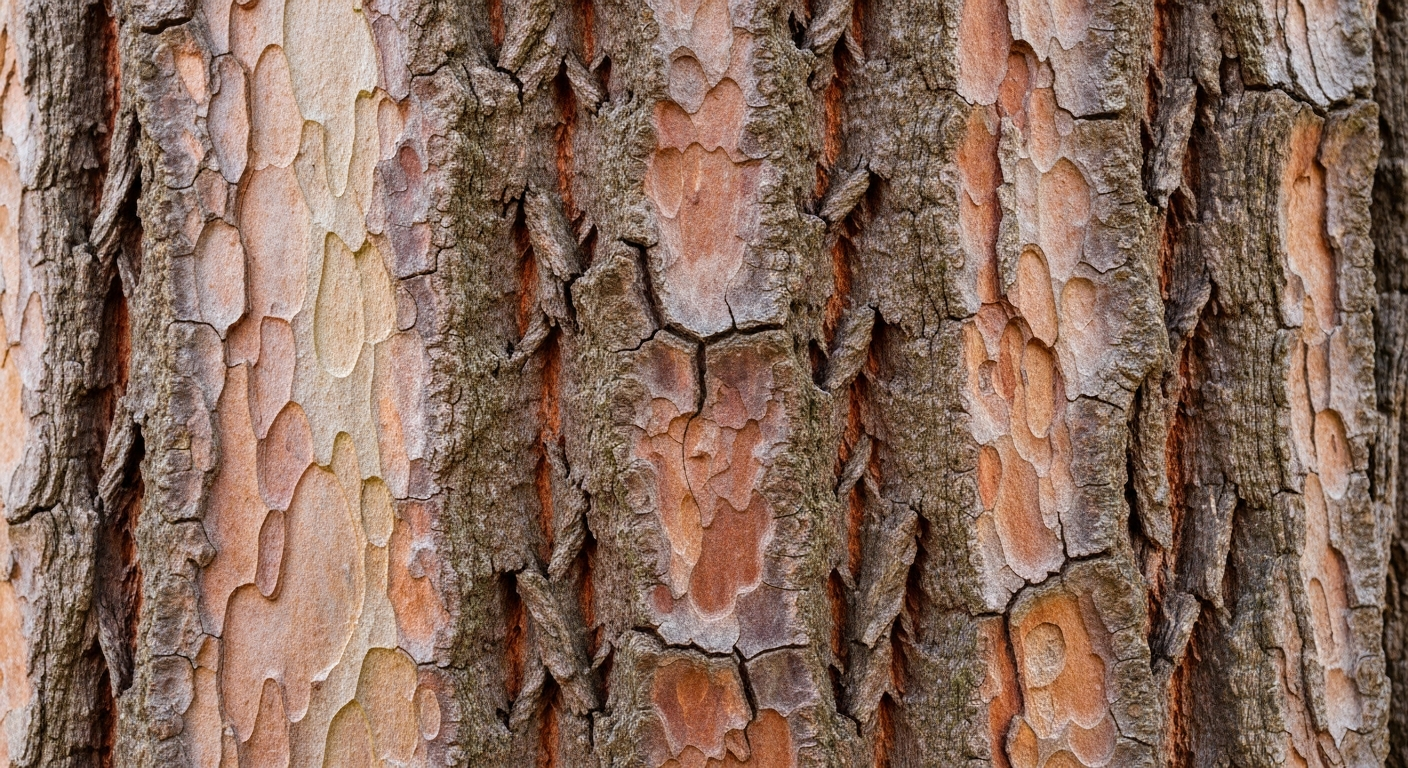
- Bark: Gray when young; mature trunks develop interlacing ridges forming diamond furrows (strongest on white ash).
- Buds: Large, sooty black or dark brown, often paired at twig tips — a reliable winter ID cue.
Opposite leaves narrow the field quickly. Most common broadleaf trees in eastern North America have alternate leaves — oak, maple, birch, hickory, walnut. Trees with opposite leaves include maple, dogwood, buckeye, and ash. Ash is the only common native tree with both opposite leaves and pinnately compound leaf structure (many leaflets on one stalk).
White ash tree identification
White ash (Fraxinus americana) is the classic eastern timber ash — tall, straight, and once abundant in mixed hardwood forests from Nova Scotia to Minnesota and south to Florida and eastern Texas.
Leaves: Compound leaves 8 to 12 inches long with 5 to 9 leaflets (usually 7). Leaflets are broad-oval, 2 to 4 inches, with short stalks. Undersides are paler — often whitish or glaucous — which gives the species its name and separates white ash from green ash in summer.
Twigs and buds: Stout gray twigs with opposite buds. Terminal bud is large, dark, and blunt. Leaf scars beneath buds are semi-circular with a notch — a detail botanists use under magnification.
Bark: Ash tree bark identification is most satisfying on mature white ash. Gray bark develops tight, interwoven ridges that cross diagonally, creating a distinct diamond pattern of furrows. Young trees under 8 inches diameter may still look relatively smooth — do not rely on bark alone on saplings.
Form: Tall straight trunk, oval to round crown. Forest-grown trees are clear-bodied; open-grown specimens spread wider.
Fruit: Samaras 1 to 2 inches long, wing extends to the seed base — paddle-shaped, hanging in clusters, ripening late summer and persisting into winter on some trees.
Fall color: Yellow to purple — variable but often showy purple on stressed or open-grown trees.
Range: Eastern North America; planted ornamentally beyond native range. Declining sharply where emerald ash borer has arrived.
Green ash identification
Green ash (Fraxinus pennsylvanica) overlaps white ash in the East and extends farther west into the Great Plains — the most drought-tolerant of the three species covered here.
Leaves: Compound leaves with 7 to 9 leaflets (sometimes 11 on vigorous shoots). Leaflets are narrower and more lance-shaped than white ash, with less conspicuous pale undersides. Ash leaf identification between white and green ash often comes down to leaflet width and underside color on the same tree — photograph several leaves.
Twigs: Slightly finer than white ash; buds still dark and opposite. Leaflets attach with short stalks — not sessile like black ash.
Bark: Ash bark identification on green ash resembles white ash on large trees — gray with furrowed ridges — but the diamond lattice can look less geometric on some individuals. Street trees with trunk wounds or root compaction may have atypical bark — read leaves first.
Habitat: Floodplains, river bottoms, moist woods — but also planted extensively in dry urban boulevards across the Midwest and Plains where it survived heat and poor soil better than many alternatives.
Fruit: Samaras similar to white ash; subtle species differences exist in wing length but are hard to use in the field.
Fall color: Yellow — less purple tendency than white ash.
Green ash dominated municipal plantings for decades — if you walk a Midwestern street lined with ash-like trees showing opposite compound leaves, green ash is the likely species. Emerald ash borer has hit these rows especially hard, leaving blocks of dead or removed trees.
Black ash — wetland species
Black ash (Fraxinus nigra) is the third major native ash for ash tree identification in the northern US and Canada — and the most ecologically distinct.
Habitat: Wet — swamps, bogs, stream edges, lake margins. You find black ash where boots get muddy, not on dry ridge tops. Habitat alone separates it from white ash on many sites.
Leaves: 7 to 11 leaflets, narrow, with margins smooth or slightly toothed. Critical character: leaflets are mostly sessile — lacking stalks, attached directly to the rachis. Green and white ash leaflets have obvious short petiolules (leaflet stalks).
Twigs: Finer, often velvety-pubescent — a soft hairiness absent on the other two ashes.
Bark: Dark gray-brown, corky, scaly plates — weaker diamond furrow pattern than white ash. Ash tree bark identification in wetlands should consider black ash before forcing a white-ash diamond pattern interpretation on corky bark.
Form: Smaller than white ash — often 30 to 50 feet in swamp woods, sometimes shrubby on harsh sites.
Cultural note: Black ash is vital to many Indigenous basket-weaving traditions — splints come from pounding wet wood. That makes accurate black ash identification culturally significant, not just botanical.
Range: Northeastern US, Great Lakes, eastern Canada, south along the Appalachians in wet coves.
Ash leaf identification in detail
Ash tree identification by leaf works when you verify both leaflet form and twig arrangement:
- Confirm opposite arrangement: Stand at a twig and look directly at it — leaves or leaf scars should appear in pairs across from each other. If leaves are alternate, it is not ash.
- Confirm pinnately compound: One long petiole, many leaflets — not a single simple leaf like maple, and not palmately compound like Ohio buckeye (which has opposite leaves but only 5 leaflets radiating from one point).
- Count leaflets: 5 to 9 suggests white ash; 7 to 9 (or 11) suggests green ash; 7 to 11 sessile leaflets in a swamp suggests black ash.
- Check underside color: Whitish beneath strongly supports white ash over green ash.
- Check leaflet stalks: Sessile leaflets on wet site = black ash.
Photograph one entire compound leaf with the twig still attached so opposite buds are visible. See Best Photo for Tree ID for compound-leaf photography tips.
Ash tree bark identification — the diamond pattern
Ash bark identification is a mid-age and mature-tree skill. Seedlings and saplings have smooth gray bark that could belong to many species.
Diamond furrows: On white ash and many green ash trunks, bark ridges grow in opposing directions, weaving into rhombic (diamond-shaped) blocks separated by furrows. Run your eye along the trunk — the lattice should repeat consistently from ground to crown on healthy mature bark.
Young vs old: Trees under roughly 6 to 10 inches trunk diameter may lack strong furrows. Combine bark with leaves or samaras when identifying younger ash.
Black ash exception: Corky, scaly bark without crisp diamonds — always pair with wetland habitat and sessile leaflets.
Lookalike bark: Young walnut can look furrowed but walnut leaves are alternate and smell spicy when crushed. Boxelder is a maple with opposite compound leaves but only 3 to 5 leaflets and smoother, often greenish young bark — not ash diamond furrows.
For bark-focused methods and app tips, see Tree Bark Identification App Guide.
Emerald ash borer and ash decline
Emerald ash borer (Agrilus planipennis) is the central conservation context for ash tree identification today. The metallic green beetle lays eggs on ash bark; larvae tunnel under the bark, girdling cambium and cutting off water and nutrients. Infested trees die within 3 to 5 years in most cases.
Signs on ash trunks:
- D-shaped exit holes: Adult beetles chew out through bark, leaving small flat-bottomed holes — one of the most diagnostic EAB signs.
- S-shaped larval galleries: Visible under lifted bark — serpentine tunnels packed with frass.
- Crown dieback: Top branches thin and die first; progression moves downward over seasons.
- Epicormic sprouts: Bushy shoots erupt from trunk base and large branches as the tree stress-responds.
- Bark splits: Vertical fissures exposing gallery patterns.
- Woodpecker flecking: Blond patches where woodpeckers chipped bark hunting larvae.
Positive ash tree identification plus EAB symptoms should trigger action — consult your state extension service or forestry agency. Do not transport ash firewood across regions; that spreads EAB.
Surviving ash individuals — some trees show resistance or were treated with insecticide — are genetically valuable. Identifying ash correctly helps scientists and arborists locate these remnants.
Common ash lookalikes
Compound-leaf trees with opposite arrangement
Boxelder (Acer negundo): Maple, not ash. Usually 3 to 5 leaflets (sometimes 7), often irregularly shaped, coarsely toothed or lobed. Sap is clear, not milky. Samaras are paired maple keys, not single paddle wings.
Ohio buckeye (Aesculus glabra): Opposite, palmately compound — leaflets radiate from one point like a hand, not paired along a rachis. Large sticky buds, showy spring flowers.
Compound-leaf trees with alternate arrangement
Black walnut (Juglans nigra): Alternate compound leaves — one leaf per node, staggered. Crushed leaflets smell spicy. Fruit is a large green husked walnut, not samaras.
Tree of heaven (Ailanthus altissima): Alternate compound leaves with unpleasant odor when crushed. Notch-based teeth at leaflet base. Winged seeds in clusters, not ash samaras.
Staghorn sumac (Rhus typhina): Alternate leaves, red upright berry clusters — completely different fruit. See our sumac identification guide if compound leaves confuse you from a distance.
Winter ash tree identification
Without leaves, ash tree identification uses buds, bark, and samara litter:
Buds: Large, black or dark chocolate, opposite, often clustered at twig tips — among the most distinctive winter buds in eastern forests.
Leaf scars: Semi-circular with a top notch; bundle scars inside look like a smile — botany students memorize this for exams.
Samaras: Paddle-shaped wings persist under trees or still hang on branches into winter.
Bark: Diamond furrows on mature white and green ash trunks remain the best winter bark cue.
Using Tree Identifier for ash
Tree Identifier recognizes white ash, green ash, and black ash from leaf, bark, and samara photos across their native ranges.
Best photos: One compound leaf still on the twig, showing opposite leaf attachment. Close-up of mature bark diamond pattern on the trunk. Cluster of samaras if available.
Species split: White vs green ash can be subtle — include leaflet underside color and several leaves in frame. For black ash, include habitat note in your field journal and photograph sessile leaflets if possible.
EAB context: Apps identify species, not pest status — use trunk photos showing exit holes separately for arborist consultation.
Ash tree identification is a foundational eastern and central North American skill — opposite compound leaves and diamond bark are memorable once you see them together. With emerald ash borer reshaping forests and city streets, every correct ash ID supports smarter stewardship of the trees that remain.
Frequently asked questions
How do you identify an ash tree?
Identify ash trees by opposite compound leaves — leaflets arranged in pairs along a central stem with one leaflet at the tip — and by mature bark with interlacing ridges that form a diamond or lattice pattern. White ash (Fraxinus americana) has 5 to 9 leaflets with pale undersides; green ash (Fraxinus pennsylvanica) has 7 to 9 narrower leaflets; black ash (Fraxinus nigra) has 7 to 11 sessile leaflets on wet sites. Confirm opposite leaf arrangement on twigs — not alternate like sumac or walnut.
What does ash tree bark look like?
Mature ash tree bark identification centers on tight, interwoven ridges forming diamond-shaped furrows — especially clear on white ash trunks. Young ash bark is smooth and gray, becoming furrowed with age. Green ash bark is similar but ridges can look less geometric on some trees. Black ash in wetlands has darker, corky, scaly bark with weaker diamond pattern. Ash bark identification works best on mature stems; compare furrow geometry and habitat.
How do you identify ash leaves?
Ash leaf identification uses pinnately compound leaves with 5 to 11 leaflets depending on species. Leaflets are oval with smooth or fine-toothed margins and no lobes. Leaves attach opposite each other on the twig — ash tree identification by leaf requires checking that opposite arrangement, not just leaflet shape. White ash leaflets are wider with whitish undersides; green ash leaflets are narrower and lance-shaped; black ash leaflets often lack stalks (sessile) and sit close to the rachis.
What is the difference between white ash and green ash?
White ash (Fraxinus americana) has fewer leaflets (usually 5 to 9), broader leaflets with conspicuous pale undersides, and bark with a classic diamond furrow pattern on mature trunks. Green ash (Fraxinus pennsylvanica) has more leaflets (7 to 9, sometimes 11), narrower leaflets with less white beneath, and tolerates wetter and more western habitats. Both have opposite compound leaves and paddle-shaped winged seeds (samaras). Green ash is more common in planted street rows across the Plains and Midwest.
How do you identify black ash?
Black ash (Fraxinus nigra) grows in wet woods, swamps, and stream margins — not upland dry sites where white and green ash dominate. Leaflets are mostly sessile (no stalk) and narrow, often 7 to 11 per leaf. Bark is dark gray-brown, corky, and scaly rather than sharply diamond-furrowed. Black ash twigs are velvety hairy. Fall color is yellow. It is less common and often confused with green ash until you check wetland habitat and sessile leaflets.
What does emerald ash borer damage look like?
Emerald ash borer (Agrilus planipennis) kills ash trees by larval tunnels under bark. Signs include D-shaped exit holes on trunks, thinning crowns, epicormic sprouts from the trunk base, vertical bark splits, and woodpecker flecking as birds hunt larvae. Any confirmed ash tree identification in eastern and central North America should include checking for EAB — infested trees decline within years and become hazardous. Report suspicious ash to local extension or forestry officials.
Can tree ID apps identify ash trees?
Yes, when photos show opposite compound leaves, samaras, or mature diamond-pattern bark. Apps may confuse ash with compound-leaf lookalikes like walnut or elder if leaf arrangement is not visible. For ash tree identification by leaf, photograph one full compound leaf beside the twig showing opposite buds. Tree Identifier handles white ash, green ash, and black ash across their native ranges when images are clear.
Try Tree Identifier — free on iPhone
Photograph ash leaves, bark, or samaras and get a species match in seconds.
Download on the App Store