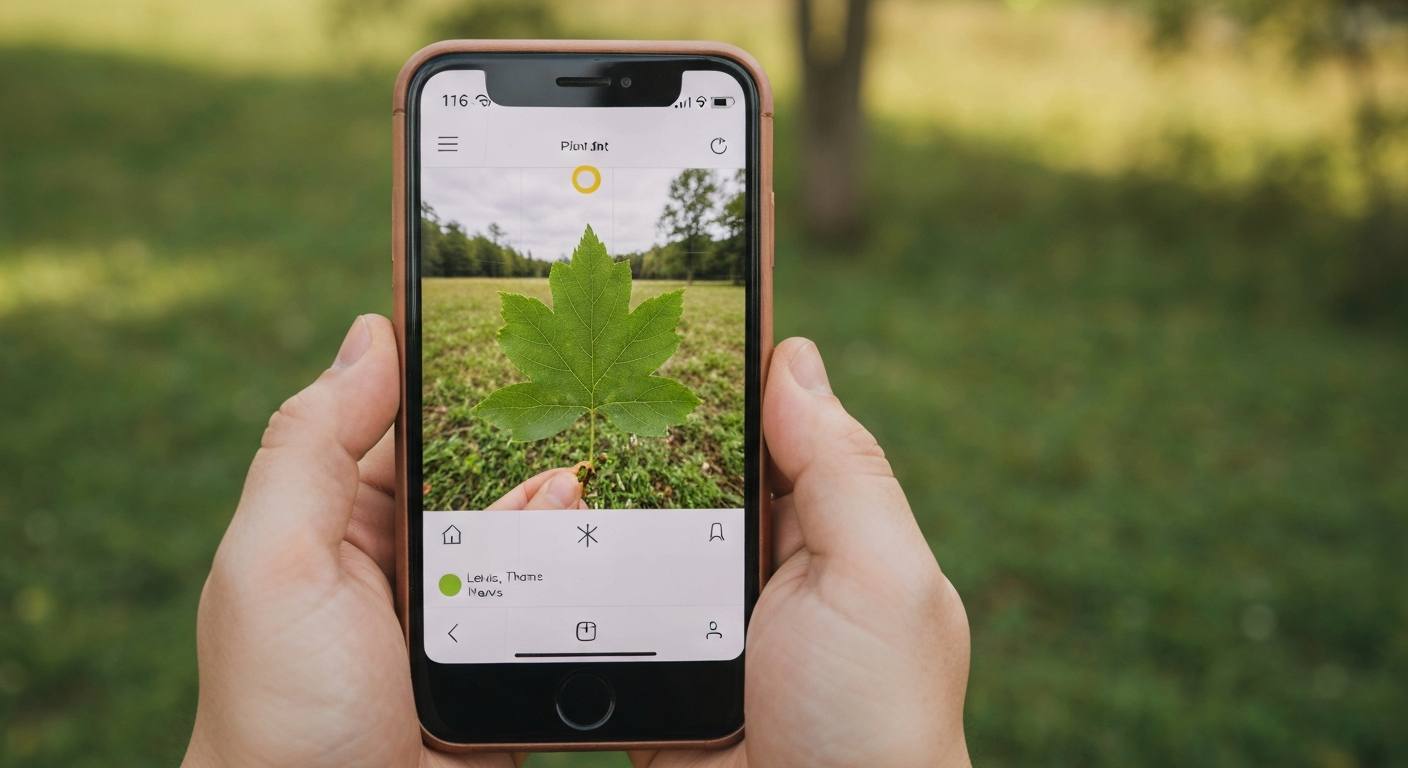
TL;DR: Hawthorn tree identification centers on genus Crataegus in the rose family — small gnarled trees or large shrubs with lobed, toothed leaves, stout sharp thorns on twigs, clusters of white flowers in late spring, and small red haws (apple-like fruits) in fall. Hawthorn bush identification along hedgerows and woodland edges is straightforward once you check for thorns plus lobed leaves together. Washington hawthorn and English hawthorn are the most common species in North America and Europe. Photograph a thorny twig with leaves and confirm with the Tree Identifier app.
🌸 Hawthorn tree identification in one glance: lobed leaves + stout thorns + white May flowers + red haws in fall. No thorns and unlobed leaves? Likely crabapple or cherry — not hawthorn.
Understanding hawthorn — genus Crataegus
Hawthorns belong to the rose family (Rosaceae) — cousins of apple, pear, cherry, and rose. Genus Crataegus includes hundreds of species in North America, Europe, and Asia, many hybridizing freely. Botanists call hawthorn one of the hardest woody genera in the temperate zone.
For practical hawthorn tree identification, you rarely need exact species on the first walk. Recognizing Crataegus by the combination of lobed foliage, thorns, flower clusters, and haws covers most homeowner, hiker, and gardener needs.
Key genus-level traits:
- Form: Small trees or multi-stemmed shrubs, often 15 to 25 feet, with twisted gnarled branches.
- Leaves: Simple, alternate, lobed with serrated margins — oak-like miniatures on many species.
- Thorns: Stout, sharp, modified branches at nodes — hawthorn bush identification hallmark.
- Flowers: White (sometimes pink), five-petaled, in flat-topped clusters — bloom late spring.
- Fruit: Haws — small pomes, red or orange, persisting into winter on some species.
- Bark: Gray to brown, scaly or shallowly furrowed on older trunks.
Hawthorns occupy hedgerows, woodland edges, old fields, and suburban plantings. Native species support birds and pollinators; ornamental hawthorns line streets across the Midwest and East.
Hawthorn tree leaves — identification hawthorn tree leaves
Identification hawthorn tree leaves starts with the blade shape. Unlike cherry or serviceberry, hawthorn leaves are lobed — deep or shallow depending on species.
Washington hawthorn (Crataegus phaenopyrum): Triangular to broadly ovate leaves with three to five sharp, deeply cut lobes. Margins finely toothed. Leaves often reddish when unfolding in spring — a useful hawthorn species identification cue for this common planted tree.
English hawthorn / common hawthorn (Crataegus monogyna): Shallow lobes — sometimes only three lobes at the base with a broad tip. Classic European hedgerow species, widely naturalized in parts of North America.
Green hawthorn (Crataegus viridis): Variable lobes, often glossy green leaves, popular cultivar 'Winter King' with bright red persistent haws.
Leaf size: Typically 1 to 3 inches — smaller than most oak leaves, larger than blackthorn leaves.
Venation: Pinnate veins run to lobe tips and teeth — hold a leaf to light to see the network.
Comparison: Crabapple leaves are usually unlobed ovals. Cherry leaves are oval with fine single-margin teeth and a pointed tip — no lobes. Oak leaves are larger with a different branching vein pattern. Hawthorn tree identification on foliage alone works when lobes are obvious — pair with thorn check.
Photograph one leaf flat against a light background showing full margin and lobes. See Identify Trees by Leaf: A Photo Guide for Beginners for leaf photography basics.
Thorns — the hawthorn bush identification hallmark
Hawthorn thorns are modified branches — woody, stiff, and sharp. They arise at leaf nodes along twigs and branches, not at the stipules only.
Size: Often 1 to 2 inches on common species; some species have shorter spines.
Texture: Hard and polished — not soft prickles like a rose stem.
Density: Wild hedgerow hawthorns can be intimidatingly spiny — historical livestock barrier plants.
Thornless cultivars: Nursery selections exist for street planting. If your suburban tree lacks thorns but has lobed leaves and small red haws, it may still be a cultivated hawthorn — check flower and fruit characters.
Blackthorn confusion: Blackthorn (Prunus spinosa) also has thorns but produces blue-black sloes, not red haws, and has unlobed narrow leaves. Hawthorn berries identification (haws) and leaf lobing split these spiny shrubs quickly.
Flowers — spring hawthorn tree identification
Hawthorn flowers appear after apple and cherry in many regions — late April through May in the northern US, slightly earlier in the South.
Structure: Five white petals, numerous stamens, small individual flowers grouped in corymbs — flat or rounded clusters at branch tips.
Scent: Some species smell musky or fishy up close — surprising after the pretty visual display. English hawthorn is known for a heavy scent that divides opinion.
Color variants: Pink-flowered forms occur in ornamentals; wild species are predominantly white.
Spring hawthorn tree identification is easiest when flowers and lobed leaves appear together — photograph the cluster with a leafy twig in frame for app matching.
Haws — hawthorn berries identification in fall
Hawthorn fruits are haws — pome fruits structurally related to apples. Hawthorn berries identification uses size, color, and cluster habit.
Size: Usually ¼ to ½ inch diameter on wild species — smaller than most crabapples.
Color: Red, orange-red, or occasionally yellow on cultivars. 'Winter King' green hawthorn holds bright red haws into winter.
Shape: Round to oval, often mealy flesh around stony nutlets.
Seeds: One to five nutlets inside — English hawthorn often has one (monogyna means one seed); many North American species have three to five.
Timing: Ripen September through October; some persist as bird food through winter.
Edibility: Haws are traditionally used in jelly and syrup when cooked — not sweet raw. Positive hawthorn tree identification before any foraging; avoid roadside pollution and pesticide-treated ornamentals.
Common hawthorn species in the field
Washington hawthorn (Crataegus phaenopyrum)
Popular street and park tree in eastern North America. Deeply lobed leaves often reddish in spring. Long thorns. Orange-red haws. Rounded crown to 25 feet.
English hawthorn (Crataegus monogyna)
European hedgerow standard — shallow-lobed leaves, strong scent, one-seeded haws. Naturalized in western North America and parts of the East.
Green hawthorn (Crataegus viridis)
Southeastern US native, widely planted. Glossy leaves, less deeply lobed than Washington. 'Winter King' cultivar famous for bark and fruit display.
Cockspur hawthorn (Crataegus crus-galli)
Long curved thorns 2 to 4 inches — among the most formidable. Leaves often wedge-shaped with shallow lobes. Native to eastern North America.
Exact hawthorn species identification may require examining nutlet count, leaf pubescence, and flower structure under a hand lens. Field naturalists can log genus confidently and refine later.
Bark and winter silhouette
Winter hawthorn tree identification uses bark, persistent haws, and thorny architecture:
Bark: Gray-brown, scaly plates or shallow fissures on older trunks — not shaggy like birch, not deeply ridged like ash.
Twigs: Zigzag pattern with obvious leaf scars and thorn bases.
Persistent fruit: Red haws may cling into January — valuable winter ID cue.
Form: Gnarled, multi-stemmed, often wider than tall on old hedgerow plants.
For bark-focused workflows, see Tree Bark Identification App Guide.
Hawthorn vs lookalikes
Crabapple (Malus): No thorns on branches; unlobed leaves on many species; larger showy fruit. Both white spring flowers — check thorns and leaf shape.
Cherry and plum (Prunus): Unlobed leaves; cherries lack hawthorn thorns; fruit is a drupe stone fruit, not a pome haw.
Blackthorn (Prunus spinosa): Thorns present but leaves small, unlobed, oval; sloes blue-black, not red haws.
Oak seedlings: Lobed leaves only — no thorns, no haws, acorns instead.
Hawthorn tree identification succeeds when you stack characters — never thorns alone, because blackthorn also spines.
Ecological and cultural notes
Hawthorns are ecological workhorses — flowers feed pollinators; haws feed waxwings, robins, and grouse; dense thorny structure shelters nesting birds.
In European folklore, hawthorn marks boundaries and fairy trees. In North American landscaping, Washington and green hawthorns provide four-season interest — spring bloom, fall fruit, winter bark on cultivars.
Hawthorn has a long history in traditional herbal medicine for heart support — modern supplements use standardized extracts. That topic is separate from field hawthorn bush identification, but explains why many people search hawthorn berries identification each fall.
Using Tree Identifier for hawthorn
Tree Identifier recognizes hawthorn from leaf, flower, fruit, and twig photos across North America and Europe.
Best photos: One lobed leaf with thorn visible on the same twig. Spring flower cluster with leaves. Fall cluster of red haws.
Limits: Species-level Crataegus splits are hard even for experts — expect genus or common species name. Hybrid swarms confuse all tools.
Distance shots: A gnarled small tree shape alone is weak — move closer for leaf and thorn detail.
Hawthorn tree identification rewards hedgerow walkers every season — white clouds of flowers in May, red jewel haws in October, and thorny architecture year-round.
Frequently asked questions
How do you identify a hawthorn tree?
Identify hawthorn trees (Crataegus) by lobed, toothed leaves; stout sharp thorns on branches; clusters of white flowers in late spring; and small red or orange haws (pome fruits) in fall. Leaves are alternate and simple, often resembling miniature oak leaves. Hawthorn tree identification is easiest in May when flowers bloom and in September when haws color up. Most hawthorns are small trees or large shrubs 15 to 25 feet tall with gnarled, twisted form.
What do hawthorn tree leaves look like?
Hawthorn leaves are simple, alternate, and deeply lobed with serrated margins — often three to seven lobes per blade, depending on species. Identification hawthorn tree leaves focuses on lobe depth: Washington hawthorn has sharply cut lobes; English hawthorn has shallower lobes. Leaves are typically 1 to 3 inches long, dark green above, sometimes hairy beneath. Unlike cherry leaves, hawthorn blades are lobed, not oval with a single fine-toothed margin.
Are hawthorn thorns always present?
Nearly all wild Crataegus species bear thorns — modified branches that are stout, sharp, and 1 to 3 inches long on many species. Thorns appear at leaf nodes along twigs. Some cultivated varieties are thornless, but hawthorn bush identification in the wild should assume thorns until proven otherwise. Thorns distinguish hawthorn from crabapple, which lacks prominent spines on branches.
What are hawthorn berries called?
Hawthorn fruits are called haws — small pome fruits like tiny apples, usually red or orange-red when ripe in fall. Each haw contains one to five seeds in a stony core. Hawthorn berries identification uses cluster habit: haws hang in bunches on short stalks after the white spring flowers. They are edible in moderation when cooked but are not sweet raw — more for jelly and traditional herbal use than snacking.
How do you tell hawthorn from crabapple?
Both are in the rose family with white to pink flowers and apple-like fruit. Hawthorn has prominent thorns on branches; crabapple typically does not. Hawthorn leaves are lobed; many crabapples have unlobed oval leaves with fine teeth. Hawthorn haws are smaller, often ¼ to ½ inch, on wild species; ornamental crabapples produce larger showy fruit. Hawthorn tree identification in hedgerows: thorns plus lobed leaves equals Crataegus.
What is the most common hawthorn species?
In North America, Washington hawthorn (Crataegus phaenopyrum) and green hawthorn (Crataegus viridis) are widely planted and naturalized. In Europe, common hawthorn or English hawthorn (Crataegus monogyna) dominates hedgerows. Crataegus is a difficult genus with hundreds of species and hybrids — hawthorn species identification to exact Latin name often requires technical fruit and nutlet characters. For most field purposes, recognizing the genus is enough.
Can tree ID apps identify hawthorn?
Yes, when photos show lobed leaves, thorns, flower clusters, or haws clearly. Apps may return genus-level Crataegus or a common species like Washington hawthorn. Hawthorn tree identification improves with multiple photos from the same plant — leaf, thorny twig, and fruit cluster. Tree Identifier handles hawthorn well across North America and Europe when images are sharp and well lit.
Try Tree Identifier — free on iPhone
Photograph hawthorn leaves, thorns, or haws and get a species match in seconds.
Download on the App Store