TL;DR: Rowan identification refers to genus Sorbus — the mountain ash — not true ash (Fraxinus). Rowan trees have pinnately compound leaves with many toothed leaflets, smooth gray bark, flat white flower clusters in spring, and dense bunches of scarlet-red berries in fall. European rowan (Sorbus aucuparia) and American mountain ash (Sorbus americana) share the same field marks. True ash has opposite branching and winged samaras — never red berry clusters. Photograph leaves and berries together, then confirm with the Tree Identifier app.
🔴 Rowan identification in one rule: compound leaves + scarlet berry bunches = Sorbus (mountain ash). Opposite twigs and samara seeds = true ash — a different tree entirely.
Rowan vs mountain ash vs true ash
Three names, two plants. Rowan identification trips up anyone who expects the word ash to mean Fraxinus.
Rowan — British and Irish common name for Sorbus aucuparia, the European mountain ash.
Mountain ash — North American common name for Sorbus species, especially Sorbus americana, because pinnately compound leaves resemble ash foliage.
True ash — Genus Fraxinus in the olive family (Oleaceae). Opposite branching, samara seeds, no red pome berries.
Rowan is in the rose family (Rosaceae) — related to apple, hawthorn, and cherry. Sorbus trees produce pome fruits like tiny apples, not drupes or samaras. Rowan identification is mountain ash identification; both names point to Sorbus, not Fraxinus.
When a field guide says "ash-like leaves," read the fine print. If red berries appear in autumn, you are doing rowan identification, not ash tree identification.
European rowan (Sorbus aucuparia)
European rowan is the archetypal rowan tree — a slender, light-demanding species of moors, crags, woodland edges, and village gardens from Ireland to the Urals.
Form: Small to medium tree, often 15 to 40 feet, sometimes shrubby on exposed sites. Crown open and rounded, not dense. Trunk usually straight on sheltered sites; windswept rowans lean and multi-stem on high ground.
Leaves: Pinnately compound, 6 to 10 inches long, with 9 to 17 leaflets. Each leaflet lance-shaped, 1 to 2 inches, sharply serrated. Dark green summer color turning yellow, orange, and red in autumn — rowan identification in October can rely on foliage alone if berries are stripped by birds.
Flowers: Creamy white, five-petaled, in flat corymbs 3 to 5 inches across — blooming May to June. Flowers smell lightly sweet, attracting many pollinators.
Berries: Scarlet to orange-red pomes, each ¼ to ⅜ inch, in heavy drooping clusters late summer through fall. Berries persist into winter if birds leave them — classic rowan berries identification photo subject against snow.
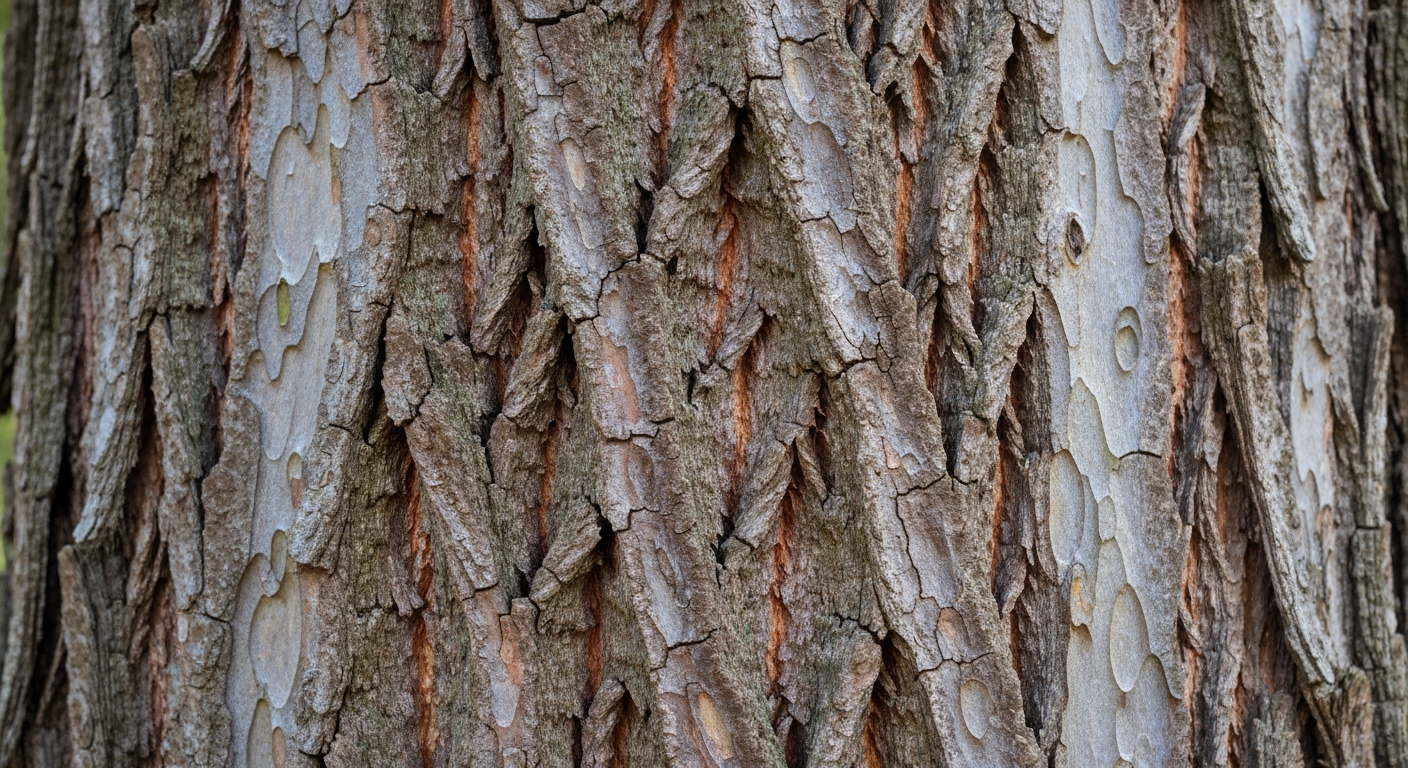
Bark: Smooth, gray to gray-brown, often slightly shiny on young trunks — shallow fissures on very old trees. Not deeply furrowed like oak or scaly like pine.
Habitat: Acidic soils, uplands, birch-rowan woodlands, hedgerows, rocky outcrops. Rowan colonizes after disturbance alongside birch and willow.
American mountain ash (Sorbus americana and relatives)
American mountain ash fills a similar ecological niche in northeastern North America — cold forests, lake shores, Appalachian balds, and subalpine zones.
Sorbus americana: Leaflets often 11 to 17, narrower than European rowan on some specimens. Berries bright red-orange. Grows from Newfoundland to Georgia in mountains, and west to Minnesota.
Showy mountain ash (Sorbus decora): Great Lakes and northeastern species — larger leaflets, pale orange-red fruit, smooth gray bark.
Green ash confusion: True green ash (Fraxinus pennsylvanica) has opposite leaves and no red berries. Rowan identification in the US always checks branching pattern and fruit type first.
American mountain ash supports grouse, waxwings, and bears — berries are important late-season food. First Nations and Indigenous peoples used berries in traditional foods and medicines after proper preparation.
Rowan leaves in detail
Compound leaf architecture drives rowan identification when fruit is absent:
- Pinnately compound: One rachis (central stalk) with paired leaflets — not a single simple blade.
- Leaflet count: Usually 9 to 17 on European rowan; 11 to 17 common on American species.
- Margin: Fine sharp teeth along each leaflet edge — serrated, not entire.
- Arrangement on twig: Leaves alternate along the branch — unlike opposite true ash leaves.
- Terminal leaflet: Present at the tip of the rachis — paired leaflets below it.
Compare with elderberry (also compound, but opposite leaves, white flat umbels turning to purple drupe berries, not red pomes). Compare with walnut (fewer leaflets, large alternate leaves, nuts not berries).
Photograph one full compound leaf on a neutral background — entire rachis visible. See Tree Foliage Identification Guide for compound-leaf tips.
Rowan berries identification
Rowan berries identification peaks August through October when clusters mature. Characters:
Color: Scarlet, orange-red, or occasionally yellow on cultivars and whitebeam hybrids.
Cluster form: Many berries packed on branched stalks — entire crown sections glow red from a distance.
Fruit type: Pome — fleshy with seed chambers like a miniature apple, not a single stone like cherry.
Taste: Bitter-tart raw; traditionally bletted, cooked, or fermented for jelly, wine, and condiments in Nordic and Celtic cuisines. Cook before eating in quantity.
Persistence: Clusters may linger into winter — rowan identification in January still possible if waxwings have not stripped the tree.
Do not confuse rowan berries with yew arils (red cup around a toxic seed on an evergreen) or holly drupes (on a spiny evergreen). Rowan is a deciduous tree with compound leaves — context matters.
Flowers and spring rowan identification
Before berries form, rowan flowers support rowan identification in late spring:
Inflorescence: Flat-topped corymb — many small flowers on branching stalks at shoot tips.
Individual flower: Five white petals, numerous stamens — typical Rosaceae blossom structure like cherry or hawthorn but in larger flat clusters.
Timing: May to early June in northern climates; slightly earlier in lowland Europe.
Spring photos of flower cluster plus compound leaf confirm Sorbus before fruit develops.
Bark and winter rowan identification
Winter rowan identification uses bark, bud arrangement, and persistent berries:
Bark: Smooth gray, sometimes with lenticels (breathing pores) visible as pale dots. Older trunks develop shallow checks but never thick oak-like plates.
Buds: Alternate, narrow, often sticky or hairy depending on species — not the fat opposite ash buds.
Branching: Alternate pattern visible on bare twigs — key split from true ash.
Berries: Red clusters may persist — best winter ID cue.
For bark photography, see Tree Bark Identification App Guide.
Rowan vs true ash — the critical split
True ash (Fraxinus) shares compound leaves but differs in every other rowan identification character:
- Branching: True ash — opposite. Rowan — alternate.
- Fruit: True ash — single-winged samaras in bunches. Rowan — red pome berries.
- Family: True ash — Oleaceae. Rowan — Rosaceae.
- Leaflet shape: Ash leaflets often larger, fewer; rowan leaflets more numerous and narrower on typical species.
- Bark: Mature ash often deeply furrowed with diamond pattern; rowan stays smoother gray.
Emerald ash borer has devastated North American ash populations — many dead ash snags remain. Rowan identification helps volunteers and landowners report surviving ash vs ornamental Sorbus plantings correctly.
Related Sorbus — whitebeam and service trees
Genus Sorbus includes whitebeams with simple (unlobed) leaves — not classic rowan form. Hybrid swarms occur in Europe. If leaves are simple and silvery beneath, you may have whitebeam (Sorbus aria group), not rowan.
Wild service tree (Sorbus torminalis) has lobed simple leaves — brown spotted fruit, not scarlet rowan clusters.
Classic rowan identification requires compound pinnate leaves plus red berry bunches — the mountain ash profile.
Folklore and planting
Rowan carries protective folklore across Celtic and Nordic cultures — planted near doors and livestock pens to ward off misfortune. In Scotland and Ireland, rowan is among the most recognized native trees.
Ornamental plantings use Sorbus aucuparia cultivars and Asian species like Korean mountain ash (Sorbus alnifolia) in gardens and streetscapes. Rowan identification in cities often starts with a glowing red street tree in October.
Using Tree Identifier for rowan
Tree Identifier recognizes rowan and American mountain ash from leaf, flower, and berry photos across native and planted ranges.
Best photos: One compound leaf showing full rachis and all leaflets. One scarlet berry cluster in fall — the strongest rowan berries identification signal.
Limits: Sorbus species hybridize; apps may return genus or the most common regional name (rowan vs mountain ash).
Winter: Persistent berries photograph well; include bark and alternate twig pattern if leaves are gone.
Rowan identification connects British moorland, Scandinavian fjeld, and Appalachian highland ecology through one genus — Sorbus, the mountain ash that never was a true ash.
Frequently asked questions
How do you identify a rowan tree?
Identify rowan (Sorbus aucuparia and related species) by pinnately compound leaves with many paired leaflets, smooth gray bark, flat clusters of white flowers in spring, and dense bunches of scarlet-red berries in late summer and fall. Rowan is a small to medium tree, usually 15 to 40 feet, with an open crown. Rowan identification is not ash identification — rowan is mountain ash in the rose family, not true ash (Fraxinus) with opposite branching and samara seeds.
Is rowan the same as mountain ash?
Yes. Rowan is the common British and European name for Sorbus aucuparia, called mountain ash in North America because the compound leaves resemble ash foliage. Botanically rowan is not a true ash — it is in Rosaceae (rose family) while ash is in Oleaceae (olive family). Rowan identification and mountain ash identification refer to the same group of Sorbus trees with pinnate leaves and red or orange pome berries.
What do rowan leaves look like?
Rowan leaves are pinnately compound — one long central stalk with 9 to 17 leaflets arranged in pairs, plus one terminal leaflet. Each leaflet is narrow, 1 to 2 inches long, with serrated teeth along the margin. Leaves are dark green above, often gray-green or slightly hairy beneath. Unlike true ash, rowan leaflets attach alternately along the rachis in Sorbus; ash has opposite leaflet pairs. Rowan leaves turn yellow to orange-red in fall.
What are rowan berries?
Rowan berries are small pome fruits — like tiny apples — bright orange-red to scarlet, ripening in clusters from August through October. Each berry contains several seeds. They are tart and traditionally used in jelly and preserves when cooked; raw berries can cause stomach upset in quantity. Rowan berries identification is easy in autumn when entire crown sections glow red — a signature of Sorbus in upland and northern landscapes.
How do you tell rowan from true ash?
True ash (Fraxinus) has opposite branching and leaf arrangement — twigs and buds sit in pairs across from each other. Rowan has alternate branching like most rose-family trees. True ash produces single-winged samara seeds, not red berry clusters. True ash leaflets are usually fewer (5 to 11) and lack the dense red fruit display. Rowan identification rule: red berry bunches in fall mean Sorbus, not Fraxinus.
Where does rowan grow?
European rowan (Sorbus aucuparia) is native across Europe, Iceland, and into western Asia — common in uplands, moors, and woodland edges. American mountain ash (Sorbus americana) and related species grow in northeastern North America, Great Lakes region, and Appalachian highlands. Rowan tolerates cold, acidic soils and often colonizes rocky slopes, clearings, and subalpine zones where other trees struggle.
Can tree ID apps identify rowan?
Yes, Tree Identifier recognizes rowan and American mountain ash from compound leaf photos, flower clusters, and especially red berry bunches. Apps may label Sorbus aucuparia as rowan or mountain ash depending on region. Rowan identification improves with fruit photos in fall — the scarlet clusters are distinctive. Photograph leaf plus berries from the same tree for best results.
Try Tree Identifier — free on iPhone
Photograph rowan leaves or red berry clusters and get a mountain ash match in seconds.
Download on the App Store