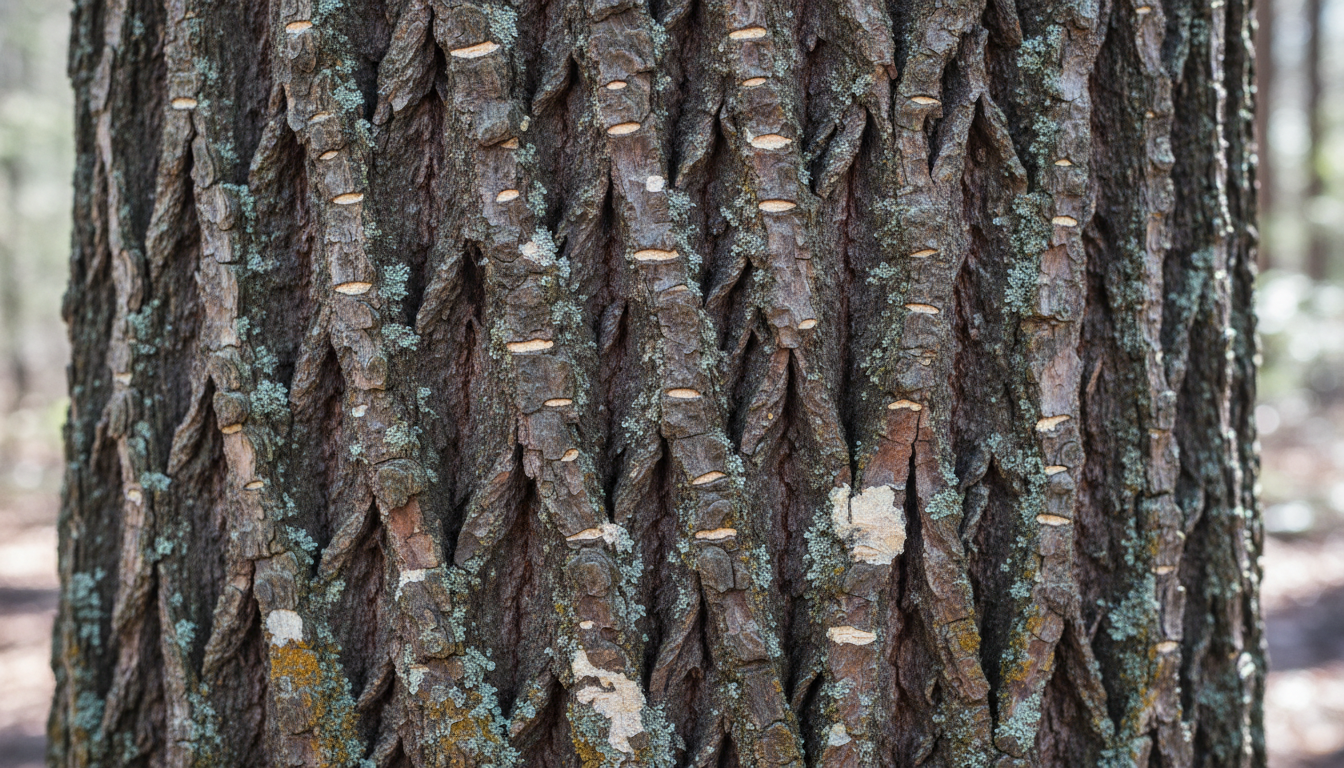
TL;DR: Alder tree identification centers on genus Alnus in the birch family: wet streambanks and wetlands, alternate toothed leaves, hanging catkins, and small woody cone-like strobiles that hang on the twigs through winter. Bark is smooth, speckled, or lightly fissured — it usually does not peel like paper birch. Learn red alder (Pacific Coast), speckled alder (northern thickets), and white alder (western interior streams). Photograph cones and leaves, then confirm with Tree Identifier.
🟤 Fast alder vs birch split: if the bark peels in papery sheets, think birch. If you see tiny woody “cones” on the twigs and intact speckled or mottled bark in a wet site, think alder.
Understanding alder — genus Alnus
Alders belong to the birch family (Betulaceae), genus Alnus. They share the family’s catkin habit with birches, hazels, and hop-hornbeams, but alder tree identification adds a feature beginners love: persistent woody female strobiles that look like miniature pine cones.
Key genus-level traits:
- Habitat: Moist to wet — rivers, swamps, lake edges, seepage slopes, and recovering logged ground with wet soil.
- Leaves: Alternate, simple, typically oval to elliptic with singly or doubly toothed margins.
- Male flowers: Slender hanging catkins, often conspicuous in late winter before leaves fully expand.
- Female structures: Woody cone-like strobiles that mature brown and linger on the plant.
- Roots: Nitrogen-fixing nodules with Frankia bacteria — ecological signature of the genus.
- Bark: Smooth to finely fissured; often marked with pale lenticels; not typically papery-peeling.
Catkin vocabulary and photo tips for related trees appear in how to identify trees with catkins and the Tree Anatomy Glossary.
Woody strobiles and catkins — the alder signature
If you find small brown woody cones on a deciduous tree in a swamp or along a creek, alder tree identification is already half done. Those “cones” are female strobiles. They start green and soft, harden and brown as seeds mature, then remain as empty woody husks on the twigs — often visible in winter when leaves are gone.
Male catkins are the long dangling pollen producers. In late winter and early spring they elongate and shed yellow pollen before or as leaves open. Both sexes occur on the same individual (monoecious), so one tree can show catkins and last year’s strobiles together — an excellent photo pair for apps.
Photograph:
- A cluster of woody strobiles close up.
- One full leaf showing the tooth pattern.
- Bark on a main stem showing lenticels or mottling.
For framing advice, see Best Photo for Tree ID.
Red alder identification (Alnus rubra)
Red alder is the big coastal alder of western North America — Alaska through British Columbia to California — and the species many Pacific Northwest hikers mean by alder tree identification.
Size and form: Medium to large tree, commonly 40 to 80+ feet on moist sites, with a straight trunk in forest stands or a more open crown on river bars.
Bark: Young bark is smooth, light gray to mottled gray-green, sometimes with whitish patches from lichens. Older bark develops shallow plates or fissures but still lacks the peeling white paper of birch.
Leaves: Oval to elliptic, 3 to 6 inches, doubly serrate (teeth on teeth). Leaf edges often roll slightly under (revolute) — a useful red alder field character. Upper surface mid-green; underside paler.
Ecology: Aggressive pioneer after logging, flooding, or landslide. Nitrogen fixation lets red alder build soil fertility on disturbed wet ground. Stands often form pure patches along streams.
Red alder leaves and strobiles together usually clinch coastal ID. Interior wet sites may instead hold white alder.
Speckled alder identification
Speckled alder (often treated as Alnus incana subspecies rugosa, or related northern forms) is the classic northeastern and boreal wetland shrub-tree.
Form: Multi-stemmed shrub or small tree, typically 10 to 25 feet, forming dense thickets along streams, beaver meadows, and swamp margins.
Bark: The “speckled” name comes from pale horizontal lenticels and light spots on dark gray-brown bark — a dotted look that reads clearly in winter. Bark does not peel in sheets.
Leaves: Broadly oval, doubly serrate, often with a slightly wrinkled or rugose surface. Bases may be rounded to slightly heart-shaped.
Range: Northern US, Great Lakes, Northeast, and adjacent Canada in wet open habitats. Speckled alder tree identification is a wetland specialty — if your feet are wet and the bark is dotted, you are in the right genus and likely the right species group.
White alder identification (Alnus rhombifolia)
White alder is a western interior and California streamside tree, important where red alder’s coastal fog belt does not reach.
Form: Medium tree along permanent or seasonal streams in valleys and foothills.
Leaves: Often more diamond-ovate to rhombic (the species name hints at this), with fine double teeth; typically less revolute than red alder.
Bark: Light gray to whitish-gray when young — the “white” cue — becoming darker and more fissured with age, still without papery peel.
Habitat: Riparian corridors of California and the inland West. White alder fills the alder niche in many Sierra and foothill canyons where red alder is absent.
Other species (green alder, Sitka alder, European black alder plantings) occur regionally. Genus-level alder tree identification plus geography usually gets you to a short list.
Alder leaf identification in detail
Leaf method for alder:
- Arrangement: Alternate.
- Type: Simple — not compound.
- Margin: Serrate to doubly serrate; teeth are usually coarser than serviceberry’s fine teeth.
- Texture: Often matte to slightly rough; some species feel softly hairy beneath.
Compare with wet-site lookalikes: cottonwood leaves are typically larger and more triangular-deltoid; willow leaves are usually narrower and longer. Use Identify Trees by Leaf for the general alternate-simple workflow, then add strobiles to lock alder.
Alder vs birch — the peeling-bark test
Confusion is common because both genera share Betulaceae, wet habitats, and catkins. The practical splits:
- Bark peel: Many familiar birches (paper birch, river birch, yellow birch in sheets or curls) show peeling or shredding bark. Alder bark usually stays attached — speckled, mottled, or shallowly fissured.
- Woody strobiles: Alders keep miniature woody cones. Birches disperse winged seeds from softer catkin structures without those persistent woody cones.
- Leaf feel: Overlap exists; do not rely on leaf alone when bark and fruiting structures are available.
Deep birch characters: birch tree identification. When someone asks “what type of tree is this” beside a stream with dotted bark and tiny cones, start with alder — see What Type of Tree Is This?.
Nitrogen fixation and wet habitats
Alder tree identification is ecological as well as morphological. Root nodules host nitrogen-fixing Frankia actinomycetes. That partnership lets alders thrive on gravel bars, freshly cutover wet slopes, and nutrient-poor seepages where other hardwoods struggle.
Field implication: pure alder stands on a recovering floodplain or logged wet bench are expected, not mysterious. Leaf litter returns nitrogen to the soil, paving the way for later conifers or mixed hardwoods in succession — especially famous in Pacific Northwest red alder forests.
Among backyard and landscape trees, alders appear where yards meet streams or engineered wet swales; compare placement with other common species in common backyard trees in the US.
Winter alder tree identification
Winter is often easier than summer:
- Woody strobiles remain on twigs.
- Male catkins may already be present as short firm spikes that will elongate later.
- Speckled or mottled bark is fully visible.
- Multi-stem wetland thickets (speckled alder) show silhouette without leaf distraction.
Without cones, winter ID is harder — wait for catkin stretch in late winter or use an app on bark-plus-habitat photos with lower confidence.
Using Tree Identifier for alder
Tree Identifier matches red alder, speckled alder, white alder, and related Alnus from leaf, strobile, and catkin photos.
Best photos: Woody cones filling the frame; one doubly toothed leaf flat; bark with lenticels if speckled alder is possible. Add a habitat shot of the wet edge when species look similar.
Apps may return genus Alnus when regional species overlap — still a correct and useful result. For general app guidance, see App to Identify Trees.
Alder tree identification rewards wet feet and a close look at twigs: those tiny woody cones are the genus’s calling card, nitrogen-fixing roots explain the habitat, and the birch comparison keeps peeling bark from sending you down the wrong trail.
Frequently asked questions
How do you identify an alder tree?
Alder tree identification uses wet or riparian habitat, alternate simple leaves with toothed margins, hanging catkins in late winter or spring, and small woody cone-like strobiles that persist on twigs after seeds shed. Bark is typically smooth to lightly fissured and does not peel in papery sheets like many birches. Red alder, speckled alder, and white alder are the common North American species people meet.
What do alder cones look like?
Alder “cones” are woody female strobiles — small, brown, pine-cone-like structures usually under an inch long that stay on the tree through winter. They are a signature alder tree identification feature. Male flowers are slender hanging catkins. Both sexes occur on the same tree (monoecious).
How do you tell alder from birch?
Both are in the birch family and can share wet habitats and catkins. Birch bark often peels in papery layers (especially paper birch and related species); alder bark usually stays intact — smooth, speckled with lenticels, or finely fissured without peeling sheets. Alders also hold those woody cone-like strobiles; birches produce winged nutlets in catkin-like clusters without true woody cones. See birch tree identification for peeling-bark details.
What is red alder?
Red alder (Alnus rubra) is the large Pacific Coast alder — often 40 to 80 feet or more — with smooth to mottled gray bark when young, doubly toothed leaves that may roll under slightly at the edge, and classic alder catkins plus woody strobiles. It colonizes moist disturbed sites and river bottoms from Alaska to California and is a major nitrogen-fixing pioneer of the Northwest.
What is speckled alder?
Speckled alder (Alnus incana subsp. rugosa and related forms) is a multi-stem shrub or small tree of northern and northeastern wetlands, named for pale lenticels that speckled the bark. Leaves are broadly oval with doubly serrate margins. It forms thickets along streams, swamps, and lake edges — classic wet-site alder tree identification.
Are alders good for soil?
Yes. Alders host Frankia bacteria in root nodules that fix atmospheric nitrogen, enriching poor or disturbed soils. That nitrogen-fixing habit explains why alders pioneer floodplains, logged slopes, and streambanks. Leaves and litter recycle nitrogen into the site — a ecological clue that supports alder tree identification in recovering wetlands.
Can tree ID apps identify alder?
Yes when photos show leaves with toothed margins, woody strobiles on twigs, hanging catkins, or speckled bark in wet habitat. Apps may return Alnus genus or a regional species such as red alder or speckled alder. Tree Identifier works well with a cone-and-leaf pair or a clear catkin shot in early spring.
Try Tree Identifier — free on iPhone
Photograph alder leaves, woody cones, or catkins and get a species match in seconds.
Download on the App Store