Alder tree ID starts with a twig, not a silhouette. The genus Alnus keeps small woody cones on the branches after the seeds are gone, stands in wet ground, and does not shed bark in the papery sheets people expect from birch. If those three things are true, you can say alder out loud and then decide whether the photos support a species. If they are not, a green canopy beside a ditch is not enough.
This page is the checklist. Species ranges, leaf detail, and the birch comparison written out as a full guide are in How to Identify an Alder Tree. Use that when you already know you are in Alnus and want red, speckled, or white alder separated. Use this page when you are still deciding whether the plant is an alder at all.
The one-minute checklist
Run the checks in order. Stop when a step fails.
- Cones: Small brown woody strobiles, usually under an inch, attached along the twigs. They look like miniature pine cones and persist into winter.
- Catkins: Slender hanging male catkins, or short firm spikes that will elongate later. Alders are monoecious: male and female structures occur on the same plant.
- Leaves, if present: Alternate, simple, with a toothed or doubly toothed margin. Not compound. Not a needle.
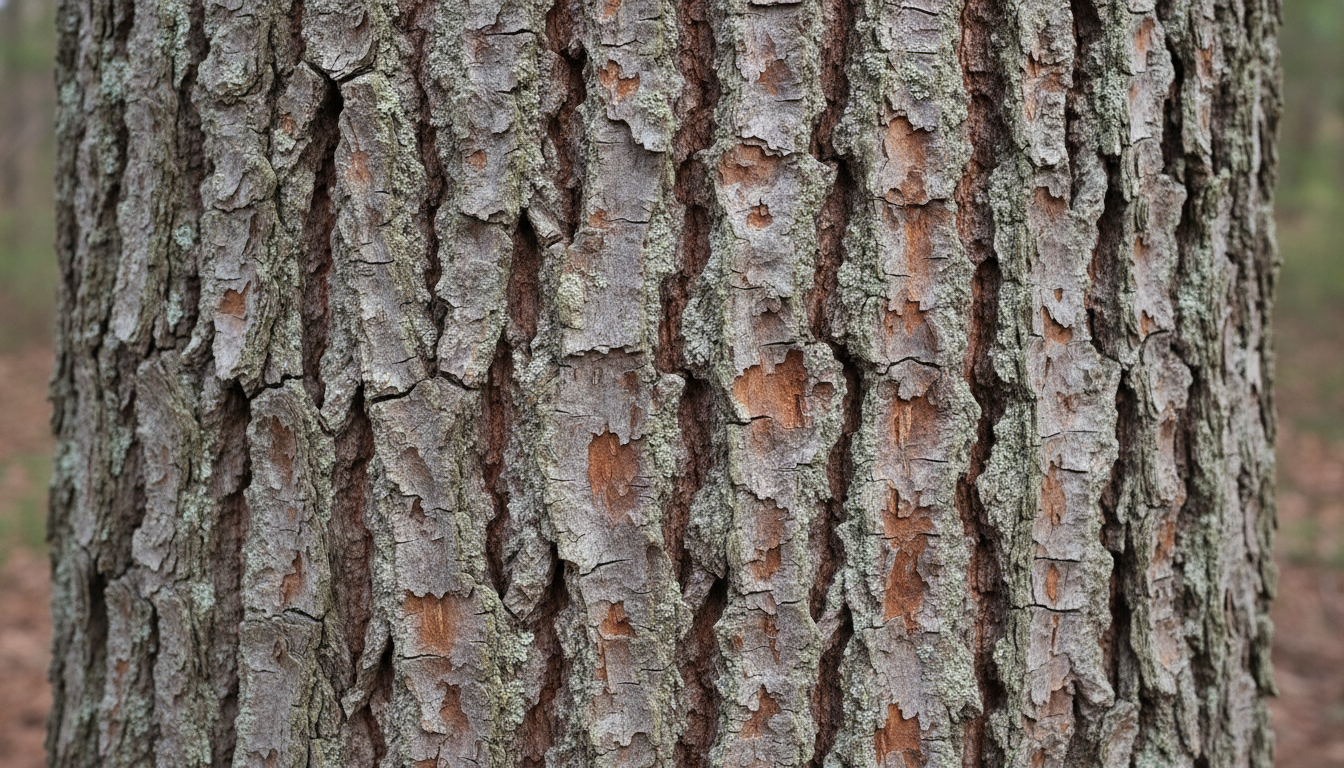
- Bark: Smooth, speckled with lenticels, mottled, or finely fissured. It should not peel away in thin white or copper sheets the way paper birch or river birch does.
- Place: Stream edge, swamp margin, seep, floodplain, or a wet roadside ditch. Alders fix nitrogen and pioneer those sites. A dry ridgetop oak stand is the wrong neighborhood.
Pass all five and alder tree ID at genus level is solid. Pass cones plus wet ground and miss the leaves, and it is still solid enough to say alder, with species left open. Fail the cones and the bark-peel test, and go back to birch or to “unknown catkin tree” rather than forcing Alnus.
What to photograph for the checklist
Four frames cover the decision. A twig that fills the frame with two or three woody strobiles. A leaf laid flat, if the season has leaves, showing teeth and the alternate attachment. A bark patch at chest height, close enough that lenticels or the lack of peeling are visible. A step-back photo that shows feet in mud, a stream, or standing water so habitat is not a guess from the caption.
The failure mode is a single portrait of the whole crown. Alders, birches, and young cottonwoods all read as “slender tree by water” at that distance. Best Photo for Tree ID is the general rule; for alder the twig cones are the frame that changes the answer.
Species short list after the genus is secure
Only move to a species when region and form agree with the cones. If you are outside these ranges, or the tree is a planted European black alder in a city park, stay at genus or say “alder, possibly planted.” Do not stretch a West Coast species name onto a Midwest shrub.
| If you see | And you are | Lean toward | Still check |
|---|---|---|---|
| Single trunk, often tall, mottled gray bark, leaves that may roll slightly under | Pacific coastal streams and wet logged slopes | Red alder (Alnus rubra) | Strobiles still on the twigs |
| Multi-stem thicket, bark dotted with pale lenticels, broader oval leaves | Northeast, Great Lakes, boreal wetlands | Speckled alder (Alnus incana subsp. rugosa and related forms) | That bark is speckled, not peeling |
| Streamside tree, light gray young bark, somewhat diamond-shaped leaves | California foothills and interior western riparian corridors | White alder (Alnus rhombifolia) | You are not still in the coastal fog belt of red alder |
| Cones and catkins only, no trustworthy region | Anywhere | Genus Alnus | Do not invent a species |
The full write-up of those three, including how red alder colonizes disturbed wet ground and how speckled alder forms thickets, is the point of the alder species guide. This checklist exists so you do not have to reread that guide to decide the genus on a wet trail.
Alder versus birch on the same walk
Both sit in the birch family. Both like water. Both make catkins. The split you can do without a book is mechanical. Bend close to the trunk: if bark comes away in paper curls, think birch and confirm with birch tree identification. If the bark stays put and the twigs wear woody miniature cones, think alder. Leaf shape overlaps enough that it should be the third character, not the first.
People lose this check when the birch is a young river birch with shreddy bark that has not developed, or when an alder trunk is so mossy the lenticels are hidden. In those cases the cones settle it. No cones, no peel, summer leaves only: say “birch family, genus uncertain” and take another photo later in the year. That sentence is a successful alder tree ID. A guessed species is not.
Winter, spring, and the middle of summer
Winter: Best season for the checklist. Strobiles remain. Male catkins are often already visible as compact spikes. Speckled bark shows on wetland shrubs once the leaves are gone. You can complete alder tree ID without a single green leaf.
Late winter to spring: Male catkins elongate and shed pollen. Female structures are smaller. This is the season people photograph “hanging caterpillars” and call every one a birch. Look under the catkins for last year’s woody cones still on the same branch.
Summer: Leaves dominate the photo and cones are easier to ignore. Turn the branch. Old strobiles are often still there, darker and harder. Doubly toothed margins support alder but also show up on other wet-site trees. Summer alder tree ID without a twig photo should stay at a lower confidence.
Fall: Leaves may yellow and drop while cones remain. A ground photo of fallen leaves alone is weak. Pick a twig off the mud, wipe it, and photograph the cones that are still attached.
Nitrogen and why the habitat keeps showing up
Alder roots host Frankia in nodules that fix nitrogen. That is why pure alder patches appear on gravel bars, slide paths, and logged wet benches where other hardwoods are slow. You will not see the nodules without digging, so do not make them a required photo. Do use the pattern: a thicket of same-age stems in a recovering wet opening is what alder does. It supports the checklist. It does not replace the cones.
In yards, alders show up where a lot drains to a swale or a stream was left at the property line. They are less convincing as a dry-lawn specimen. If a landscaper planted one anyway, the cones still work and the habitat clue is weaker. Say so.
Using the checklist with an app
Feed Tree Identifier the cone photo first, then the leaf or bark. An app that returns Alnus from a strobile close-up has done the job this page describes. An app that returns a species from a blurry crown should be treated as a suggestion until the checklist passes. App to Identify Trees explains that difference in general. For alder, the cone frame is the one that earns the name.
If you want the seasonal photo sequence written as a step-by-step, including what to reshoot when confidence is low, use Identify an Alder Tree from Photos next. It assumes you might already suspect alder and shows how to prove it across the year without repeating every species paragraph here.
Frequently asked questions
What is the fastest alder tree ID check?
Look for small woody cone-like strobiles still attached to the twigs, plus alternate toothed leaves or hanging catkins, in a wet place. Bark should not peel in papery sheets.
How is this different from a full alder species guide?
This page is the field checklist and the decision to stop at genus. The companion guide covers red, speckled, and white alder in more detail.
Can I identify alder in winter?
Often yes. Woody strobiles persist, male catkins may already be short spikes, and speckled bark is easier to see without leaves. Without cones, keep winter confidence lower.
What if the app says birch?
Recheck bark peel and woody cones. Many birches peel or shred. Alders usually do not, and they keep miniature woody cones.
Which alder is a shrub and which is a tree?
Speckled alder is often a multi-stem wetland shrub. Red alder and white alder are single-trunk trees along western streams. Form plus region narrows the list after the genus is secure.
When should I refuse a species name?
If you only have a distant canopy photo, or summer leaves with no twigs, bark, or habitat. Genus Alnus is the honest result until cones or catkins are in the frame.
Try Tree Identifier — free on iPhone
Photograph the woody cones on the twig first, then bark and a leaf.
Download on the App Store