TL;DR: Black walnut seedling identification focuses on large pinnately compound leaves, a fuzzy petiole and rachis, a spicy scent from crushed foliage or scratched twigs, and chambered pith when you slice a twig lengthwise. Mature black walnut tree identification adds dark diamond-furrowed bark and round green husked nuts that stain clothes and hands yellow-brown. Butternut (white walnut) has oblong sticky nuts and lighter bark — rarer, declining, and easy to confuse until fruit or twigs are checked. Photograph a full compound leaf, a twig end, and any husks, then confirm with the Tree Identifier app.
🌰 Walnut species identification shortcut: chambered pith + round yellow-staining husks = black walnut. Chambered pith + elongated sticky hull = butternut (white walnut). Solid pith + different nut shape = look at hickory or other nut trees instead.
Why black walnut seedling identification matters
People search black walnut seedling identification when a volunteer tree appears under a fence, lawn, or woodland edge and they need to know whether to protect it, transplant it, or remove it before the roots get deep. Black walnut (Juglans nigra) is both a valuable timber species and a landscape troublemaker: juglone from roots and decaying leaves can suppress tomatoes, apples, and some ornamentals nearby. Correct walnut tree identification early saves later conflict.
Black walnut is also one of the easiest eastern hardwoods to confirm once you know the toolkit — compound leaves, chambered pith, staining nuts, and squirrel wreckage. Walnut tree id is a classic beginner skill that scales from seedling to ancient yard tree.
Genus Juglans covers walnuts worldwide. In eastern North America the two field species that matter most for walnut species identification are black walnut and butternut (Juglans cinerea), also called white walnut. English walnut (Juglans regia) appears in orchards and some yards but looks different — fewer leaflets, smoother bark, and larger edible thin-shelled nuts.
Black walnut tree identification at a glance
To identify black walnut tree in the field, stack these characters:
- Leaves: Alternate, pinnately compound, typically 12 to 24 inches long with 15 to 23 leaflets. Leaflets are lance-shaped, finely toothed, and often fragrant when crushed.
- Terminal leaflet: Often missing or reduced on black walnut — the leaf tip may end in a pair of side leaflets rather than a single tip leaflet.
- Twigs: Stout, with a camera-shaped leaf scar and chambered pith (chocolate-brown partitions).
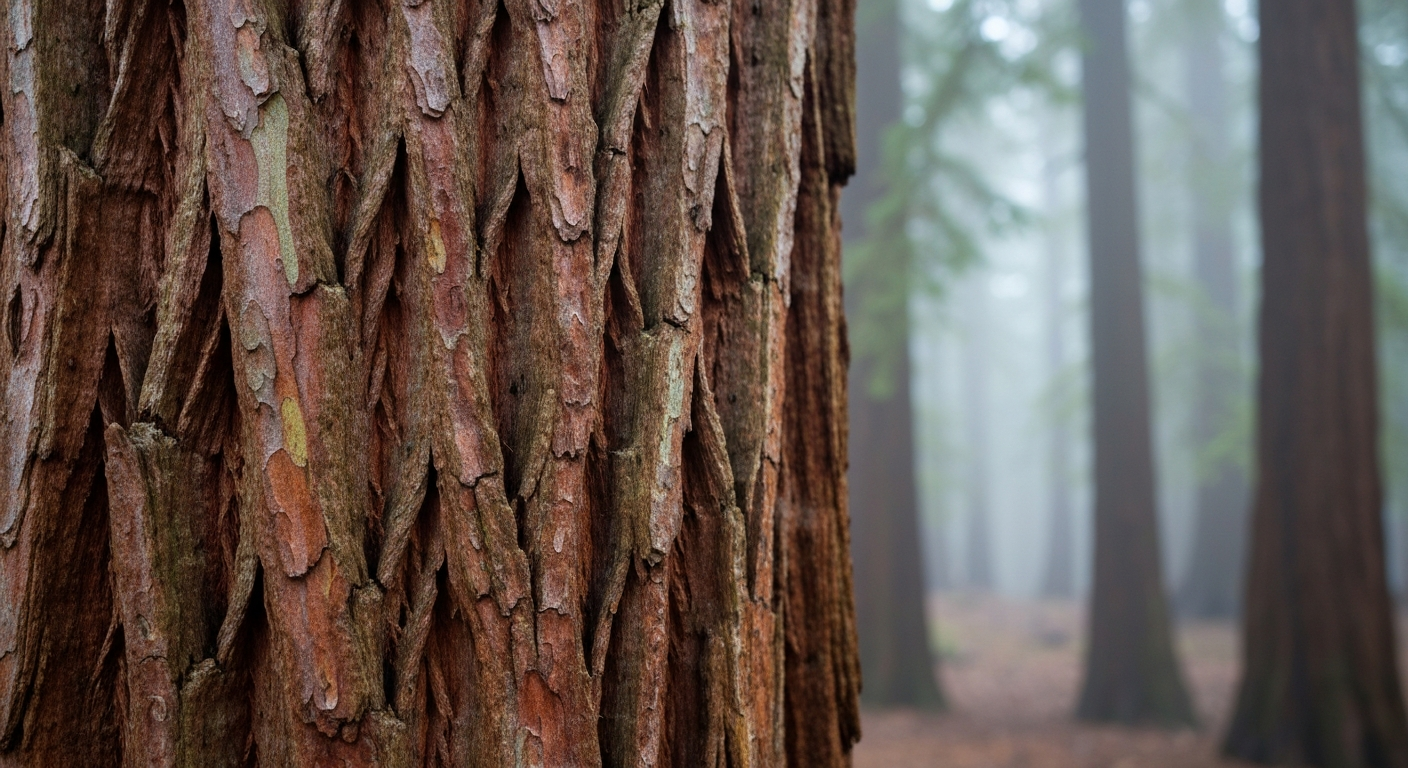
- Bark: Dark brown to nearly black on mature trunks, with deep furrows forming diamond and interlacing ridges.
- Fruit: Round green husks 1.5 to 2.5 inches across; nuts inside are hard, furrowed, and extremely hard to crack without tools.
- Stain: Juice from husks dyes skin, sidewalks, and clothes persistent yellow-brown — a black walnut signature.
- Form: Straight trunk in forest; open rounded crown in yards. Mature height often 50 to 75 feet or more on good sites.
These same traits scale down for black walnut seedling identification — you simply have fewer leaflets and thinner bark while juglone chemistry and pith structure are already present.
Black walnut seedling identification step by step
Seedlings and saplings are where walnut tree identification gets stressful because bark is still smooth brownish and nuts may be absent. Follow this sequence:
- Confirm compound leaves. First true leaves after cotyledons are compound. A young black walnut may show 7 to 15 leaflets on early leaves, climbing toward adult counts as vigor increases. Count leaflets and note the fuzzy rachis.
- Feel the petiole. Black walnut rachises and petioles are pubescent — soft hairs you can feel. That fuzz is a seedling-friendly character even before bark furrows develop.
- Scratch and sniff. Gently scrape green bark or crush a leaflet. Black walnut has a spicy, citrus-pine, sometimes resinous odor unlike ash or maple.
- Check pith. On a pencil-thick twig, make a clean lengthwise cut. Chambered pith — empty compartments separated by brown walls — confirms walnut genus. Hickory seedlings have solid whiteish pith.
- Look for nursery husks. Parent trees drop nuts nearby. Soft green husks or black husk mush at the base of a seedling bed often explain why the seedling appeared.
- Watch squirrels. Cached nuts sprout in lawns and garden beds far from the parent. A solitary seedling in a flower bed with no overhead walnut can still be black walnut from a buried squirrel cache.
Photograph the entire compound leaf flat against a notebook, plus a close-up of the fuzzy petiole. For seedling photo tips that help app matches, see Best Photo for Tree ID.
Chambered pith — the year-round walnut test
Walnut species identification in winter leans hard on pith. Cut a healthy twig and split it lengthwise with a knife. In black walnut and butternut you see a chambered core: air spaces alternating with dark transverse pith walls. The chambers look like tiny rooms in a hallway.
Compare to lookalikes:
- Hickories (Carya): Solid pith — continuous, not chambered.
- Ash: Opposite branching (walnut is alternate) and different bark; not a walnut.
- Tree of heaven: Alternate compound leaves but soft pith that is not neatly chambered like walnut; crushed leaflets smell foul, not spicy-walnut.
Pith anatomy belongs in every walnut tree id kit. Review leaf, twig, and fruit terms in the Tree Anatomy Glossary if chambered pith is new vocabulary.
Nuts, husks, and squirrel-carved clues
Fruit seals black walnut tree identification faster than almost any other character. Round fruits hang singly or in small clusters. The thick husk starts lime green, soft, and aromatic, then blackens as it rots into a mush that stains pavement.
Inside, the nut has a deeply sculptured brown shell. Commercial nutcrackers often fail; people use vise grips or vehicles. The edible kernel is prized — strong flavor — but extraction is work.
Squirrels shred the process. Under a bearing black walnut you often find:
- Shells with ragged gnaw holes rather than neat splits.
- Yellow-stained debris from half-rotted husks.
- Piles concentrated on stumps, fences, and driveway edges where squirrels feed.
Those squirrel-carved nuts are free advertising for identify black walnut tree searches. No other common yard nut leaves quite the same stained wreckage carpet. For broader nut-tree comparisons, read How to Identify Nut Trees.
White walnut tree identification — butternut vs black walnut
White walnut tree identification means recognizing butternut (Juglans cinerea). Both species share compound leaves and chambered pith, so walnut species identification must go further.
Fruit shape: Butternut fruits are oblong to elliptical — like a lemon or football — sticky with glandular hairs when young. Black walnut fruits are nearly spherical.
Bark: Butternut bark is lighter gray with flatter, smoother ridge tops; black walnut bark is darker with sharper interlacing furrows forming diamonds.
Twigs and fruit stalks: Butternut young growth is sticky-hairy; black walnut is pubescent but less sticky-tarry than classic butternut.
Leaflets: Butternut often keeps a clearer terminal leaflet; black walnut frequently lacks it. Leaflet undersides and sticky rachis traits help when fruit is absent.
Conservation context: Butternut is rare and declining from butternut canker. If you find a putative white walnut, treat white walnut tree identification carefully — and avoid damaging the tree. Many butternuts exist only as dying stubs or isolated survivors.
When fruit is present, black vs white walnut is usually obvious by shape. When fruit is absent, prioritize bark color, stickiness, and geographic rarity before calling butternut.
Leaves, juglone, and seasonal timing
Walnut tree identification by leaf peaks in midsummer when leaflets are fully expanded. Leaflet margins are finely serrate. Crushed leaves and rachises release the spicy walnut odor. In autumn, leaflets yellow and drop early — black walnut is among the first large trees to look sparse in late summer dry spells.
Juglone chemistry does not identify species by itself, but landscape context helps: black walnut understory often shows sparse vegetation in a semi-circle around the drip line. That pattern, plus compound leaves, supports identify black walnut tree decisions when nuts are gone.
For leaf-only practice across many genera, use Identify Trees by Leaf. Compound-leaf beginners often confuse walnut, ash, hickory, and locust until branching pattern and pith are checked.
Bark and whole-tree form
Mature black walnut bark is one of the best winter identifiers. Ridges form intersecting diamonds; color is dark chocolate to blackish brown. Young trees have smoother lighter bark that gradually furrows. Winter silhouettes show stout twigs and open crowns; catkins appear with spring leaves on older trees.
Forest-grown black walnuts are tall and clear-boled — timber form. Open-grown yard trees fork earlier and spread wide. Both are the same species; form follows light, not taxonomy.
If you only have bark photos, pair them with location and any shell debris. Bark alone can resemble other dark furrowed hardwoods in compressed phone photos — fruit and pith still win.
Common lookalikes
Hickories: Compound leaves, alternate arrangement, but solid pith and different nut shells (often thinner, split cleaner). Not walnut.
Ash: Opposite compound leaves — easy split once you check bud and leaf arrangement. Ash vs walnut mistakes happen when people only glance at leaflet shape. See How to Identify Ash Trees.
Tree of heaven: Large compound leaves on weedy sites; foul smell; glandular teeth at leaflet bases; winged samaras instead of husked nuts.
English walnut: Orchard and some residential plantings; usually fewer leaflets, smoother gray bark, thinner-shelled commercial nuts.
When stuck, ask What Type of Tree Is This? and stack leaf arrangement, pith, and fruit type before naming anything Juglans.
Using Tree Identifier for walnut tree id
Tree Identifier handles black walnut well when photos show full compound leaves or distinctive round husks. For black walnut seedling identification, photograph:
- One entire leaf including rachis and fuzzy petiole.
- A close twig showing leaf scars if leaves are few.
- Any husk, shell, or stain residue nearby.
- Mature bark if an older twin or parent stands beside the seedling.
Apps sometimes confuse seedlings with hickory until pith or fruit is visible — supply a second photo when the first match feels weak. Pair the app with the chambered-pith test and you will rarely misidentify black walnut.
Walnut tree identification is one of the highest-confidence backyard IDs in eastern North America once you connect seedlings, squirrel shells, staining husks, and that ladder of pith chambers.
Frequently asked questions
How do you identify a black walnut seedling?
Black walnut seedling identification relies on large pinnately compound leaves with 15 to 23 leaflets, a fuzzy rachis and petiole, and a stout green to brown stem that smells spicy when scratched. Seedlings from walnut nuts often show the compound leaf form from the first true leaves. Slice a twig lengthwise — chambered pith with chocolate-brown partitions is classic black walnut. Nearby husks or shells confirm the parent tree.
How do you identify a black walnut tree?
Identify black walnut tree by alternate compound leaves, dark deeply furrowed bark on mature trunks, and round green husked nuts that stain hands yellow-brown. Chambered pith in twigs, diamond-pattern bark ridges, and a strong spicy odor from crushed leaves or cut twigs seal black walnut tree identification. Fall dumps of squirrel-carved shells under the crown are a reliable field clue.
What is the difference between black walnut and butternut?
Black walnut (Juglans nigra) has round nuts, darker ridged bark, and leaflets that usually lack a terminal leaflet or drop it early. Butternut / white walnut (Juglans cinerea) has elongated sticky oblong nuts, lighter gray bark with flatter ridges, and sticky hairs on young twigs and fruit. White walnut tree identification is harder now because butternut is rare and declining from canker disease.
What does chambered pith look like in walnut?
Walnut species identification uses chambered pith: cut a twig lengthwise and you see empty chambers separated by brown cross-walls, like a ladder of air pockets. Hickories have solid pith. This split works year-round for walnut tree id when leaves and nuts are absent.
How can squirrels help with walnut tree identification?
Squirrels leave black walnut shells half-gnawed with jagged holes and yellow-stained hull scraps under the drip line. A ring of gnawed shells on lawn or woods edge often means black walnut overhead even before you look up. Pecan and hickory shells look different — smoother, flatter, or more tightly sealed.
Are black walnut and white walnut the same?
No. Black walnut is Juglans nigra — the common timber and nut tree of eastern North America. White walnut is another name for butternut (Juglans cinerea). Both are walnuts with compound leaves and chambered pith, but fruit shape, bark color, and hairiness differ. Walnut tree identification should never treat them as one species.
Can a tree ID app identify black walnut seedlings?
Yes when photos show a full compound leaf, fuzzy petiole, and preferably a cut twig end or nearby husk. Black walnut seedling identification is hardest on very young sprouts with few leaflets. Tree Identifier works best with a leaf photo plus a bark or nut photo from the same site when available.
Try Tree Identifier — free on iPhone
Photograph walnut leaves, seedlings, or husked nuts and get a species match in seconds.
Download on the App Store