TL;DR: Box elder tree identification means reading Acer negundo as a whole tree: opposite compound leaves with 3 to 7 leaflets, light furrowed bark, paired maple samaras on female trees, and frequent ash confusion. Males flower without seed; females hang dense keys and attract box elder bugs. Soft wood and multi-stem form on moist ground complete the field portrait. Photograph leaves plus samaras (or confirm males carefully) and check with the Tree Identifier app. For a shorter leaf-first overview, see How to Identify Box Elder; this guide expands bark, sex, pests, and lookalikes.
🍁 Box elder tree identification rule: opposite + compound + maple double samaras = box elder. Opposite + compound + single paddle samaras = ash. Simple palmate maple leaves = other maples, not box elder.
Box elder as a tree — not only a leaf
Most people meet box elder through leaflets and never study the adult trunk. This field guide focuses on box elder tree identification in the landscape: how the crown loads with seed, how bark ages, how sexes differ, why ash mistakes happen, and how box elder bugs advertise female trees in autumn.
Box elder (Acer negundo) is a maple of riverbanks, ditch lines, fence rows, and city cracks. It grows fast, breaks easily, and sprouts from stumps. Nurseries rarely market it, yet it ranks among the most common volunteering woody plants in eastern and midwestern North America. Understanding the full tree helps homeowners decide pruning needs and helps hikers avoid mislabeling ash stands.
Related maple context lives in How to Identify Maple Trees. Box elder is the maple that refuses to look like a maple leaf — until the samaras tell the truth.
Leaves — compound maple architecture
Leaves are opposite and pinnately compound. Leaflet count is usually 3 to 5, sometimes 7 on vigorous shoots. The terminal leaflet is often larger and may be three-lobed like a tiny maple leaf glued to a rachis — a helpful box elder tree identification clue.
Lateral leaflets are ovate, with coarse teeth. Fall color can be yellow but is often muted compared with sugar maple fire. Leafing is early in spring — among the earliest canopy greens along streams.
Because compound foliage surprises maple learners, beginners assume ash or boxelder “weed tree” without checking opposite buds. Stack arrangement + samaras every time.
Leaf photography tips that help apps appear in Best Photo for Tree ID and broader leaf comparison in Identify Trees by Leaf.
Bark and wood form of mature trees
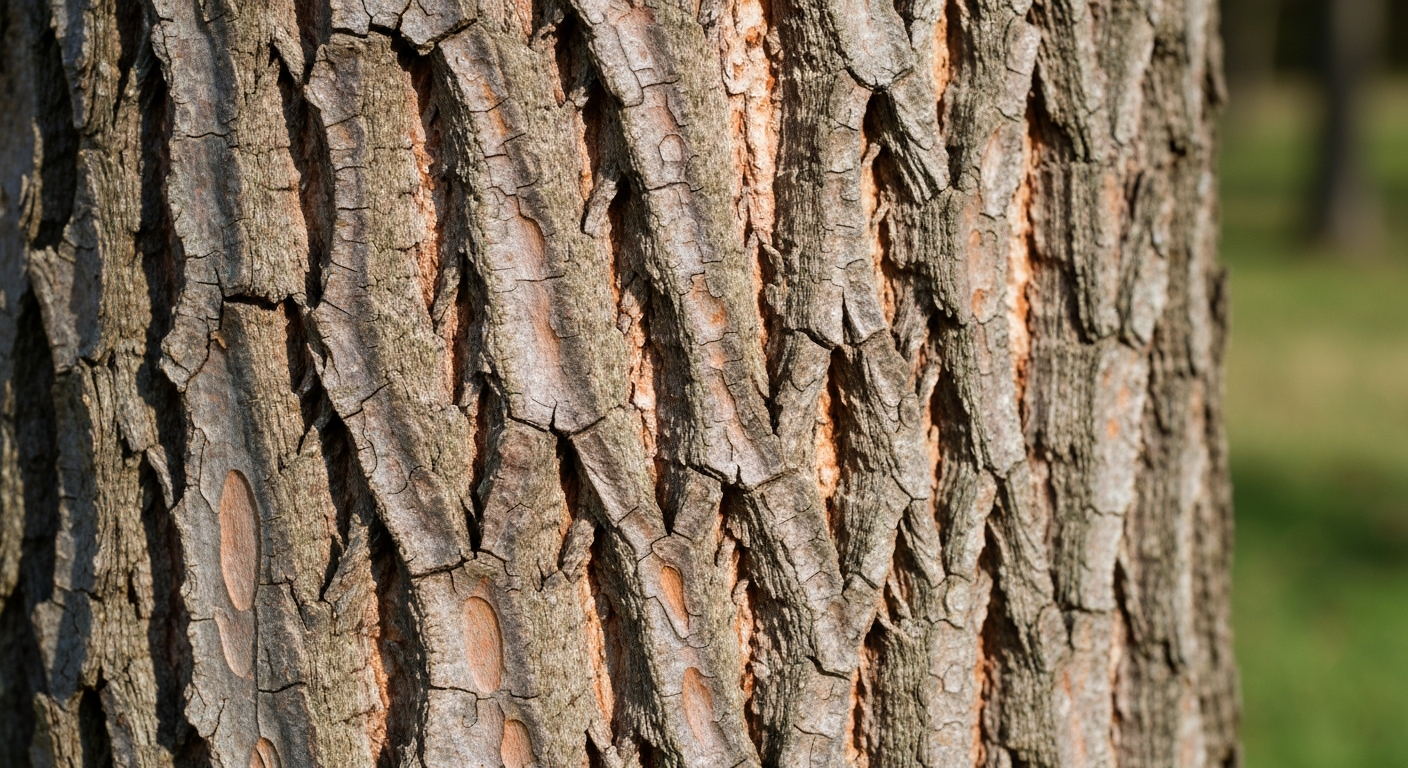
Young stems stay smooth, olive-green to gray, sometimes striped. Living green under bark on young branches is common — scratch carefully for a green cambium flash. Mature box elder bark develops interlacing ridges and shallow-to-moderate furrows in light brown or gray-brown. Texture looks softer and more irregular than pin oak’s tight furrows.
Whole-tree form is rarely a majestic single shaft. Expect multiple leaders, leaning trunks, included bark crotches, and storm-broken tops. Diameter can still become large — old box elders along Midwestern rivers are thick and hollow-prone. Soft wood explains why arborists call it a short-lived or high-maintenance shade tree even when trunk ID is clear.
Winter silhouettes show opposite branching — same as ash and other maples. Fruit clusters (female) may hang into winter as tan keys.
Male vs female trees
Box elder is typically dioecious: pollen trees and seed trees are separate individuals. Box elder tree identification should note sex because landscape behavior differs.
Male trees: Spring brings hanging clusters of yellowish to greenish pollen flowers before or with early leaves. No samaras follow. Males avoid the messy seed rain that homeowner forums complain about.
Female trees: Flowers develop into paired winged samaras — classic maple keys — hanging in long clusters by late summer. Dense fruit displays look almost like vines of seeds coating the crown. Females invite box elder bugs later in the year.
If you find opposite compound leaves but no fruit in autumn, you may have a male, a young non-bearing tree, or a misidentified ash. Check fruit type carefully before naming species.
Samaras — maple proof
Paired samaras angle from a shared stalk. Wings are often nearly straight or moderately spreading. Seeds mature tan. Clusters hang untidily — not the neat helicopter pairs people remember from Norway maple alone, but unmistakably maple.
Ash fruit is a single samara — one wing per seed — clustered differently. That fruit split is the cleanest box elder vs ash identifier when leaves look similar from a distance.
Anatomy language — samara, rachis, opposite — sits in the Tree Anatomy Glossary.
Box elder bugs as field context
Box elder bugs (Boisea trivittata) are elongated black insects with red edges and markings. They feed primarily on seeds of female box elders and related maples, then sun themselves on light-colored walls, foundations, and south bark in fall. Homeowners searching “red black bugs on my house” often rediscover the tree in the yard.
Box elder tree identification is not complete with insects alone — bugs wander — but a seed-laden opposite-compound tree crawling with box elder bugs is female Acer negundo until proven otherwise. Males attract fewer seed-focused aggregations.
Box elder vs ash — the critical lookalike
Opposite compound leaves create the number-one box elder tree identification error: calling it ash, or calling ash box elder.
| Trait | Box elder | Ash |
|---|---|---|
| Fruit | Paired maple samaras | Single paddle samaras |
| Terminal leaflet | Often lobed or maple-like | Usually unlobed, similar to laterals |
| Family | Maple (Sapindaceae / Aceraceae) | Olive family (Oleaceae) |
| Wood / habit | Softer, often multi-stem | Often straighter timber form (pre-EAB) |
Emerald ash borer devastation means many ash sites are dead snags, while box elder keeps thriving along the same streams — another landscape clue. Full ash detail: How to Identify Ash Trees.
Habitat, range, and lookalike weeds
Box elder loves moist alluvial soils but tolerates dry urban fill, alkaline soils, and polluted corridors. Range covers most of the contiguous US and southern Canada with regional subspecies variation. Western forms may look slightly different; the opposite-compound-maple rule still holds.
Other lookalikes:
- Other maples: Simple palmate leaves — not compound.
- Poison ivy vines: Alternate trifoliate leaves, not opposite tree canopies.
- Elderberry shrubs: Opposite compound leaves but shrub habit and berry clusters — not maple keys. Name similarity causes verbal confusion only.
If you are stuck between weed trees, use What Type of Tree Is This? and list opposite vs alternate first.
Seasonal field calendar
- Early spring: Male and female flowers; early leaf-out.
- Summer: Full compound canopy; female samaras expanding.
- Fall: Seed clusters conspicuous; box elder bugs aggregating; leaves yellowing.
- Winter: Opposite buds; persistent keys on females; bark readable on trunks.
Winter box elder tree identification leans on opposite buds plus leftover samaras. Without fruit, bark and site help but ash remains a risk until spring flowers or summer leaves return.
Using Tree Identifier for box elder
Tree Identifier matches box elder strongly from compound leaves with a maple-like terminal leaflet and from samara clusters. Reduce ash mix-ups by sending a second photo of fruit whenever possible.
Best shot list for box elder tree identification:
- Opposite leaf pair showing leaflet count.
- Close-up of terminal leaflet shape.
- Samaras in hand or hanging (female trees).
- Trunk bark for mature specimens.
Pair this full tree guide with the shorter leaf-focused note at how to identify box elder and the family overview in maple tree identification. Together they cover both flyer leaflets and the living architecture of Acer negundo in yards and floodplains.
Box elder tree identification is less about finding a pretty maple and more about recognizing the rugged compound-leafed maple that owns the wet edge — samaras, soft wood, bugs, and all.
Frequently asked questions
How do you identify a box elder tree?
Box elder tree identification combines opposite branching, pinnately compound leaves with 3 to 7 leaflets (a maple trait unique among common US maples), pale furrowed bark on older trunks, and paired winged samaras that hang in clusters. Female trees load with seed; male trees show hanging pollen flowers in spring without fruit. Soft wood, multiple leaders, and moist lowland sites are typical. Separating box elder from ash is the critical lookalike step.
Is box elder really a maple?
Yes. Box elder is Acer negundo — a true maple — even though leaves are compound rather than the classic simple palmate maple leaf. Samaras (winged keys) prove maple affinity. If you already know maple fruit, box elder tree identification becomes easier once compound leaflets stop surprising you.
How do you tell box elder from ash?
Both have opposite compound leaves. Box elder leaflets are often coarsely toothed or lobed on the terminal leaflet; ash leaflets are usually smoother-edged or finely toothed and more uniform. Box elder produces maple samaras; ash produces paddle-shaped single samaras in different clusters. Box elder bark is often lighter and more flaky-ridged; green ash and white ash bark patterns differ. Winter buds and fruit type finish the split.
What do male and female box elder trees look like?
Box elder is usually dioecious — separate male and female trees. Males produce clusters of hanging yellowish pollen flowers in spring and no samaras. Females produce flowers that become dense hanging clusters of paired winged seeds by summer and fall. Box elder tree identification of fruiting crowns means you have a female; an opposite-compound tree without keys may be male or a non-fruiting year.
What are box elder bugs and do they identify the tree?
Box elder bugs (Boisea trivittata) are black and red insects that feed on female box elder seeds and often congregate on warm south-facing walls in fall. A swarm of box elder bugs near a tree with compound maple leaves and samaras strongly supports box elder tree identification — especially female trees — but insects alone are not proof.
What does box elder bark look like?
Young box elder bark is smooth and greenish to gray-brown. Mature bark becomes light brown to gray with interlacing ridges and furrows, often looking softer and more irregular than oak. Branches frequently show green living tissue under thin bark on younger wood — a helpful close-range clue. Form is often multi-trunked or leaning rather than a single majestic bole.
Can a tree ID app identify box elder trees?
Yes when photos show opposite compound leaves with a maple-like terminal leaflet, or clusters of paired samaras. Confusion with ash drops when you add a samara photo. Tree Identifier handles Acer negundo well from leaf and fruit shots; bark-only photos are weaker.
Try Tree Identifier — free on iPhone
Photograph box elder leaves, samaras, or bark and confirm Acer negundo in seconds.
Download on the App Store