TL;DR: Eastern redbud identification (Cercis canadensis) is easiest in early spring: magenta-pink flowers erupt on twigs and even older bark before leaves fill in — a trait called cauliflory. In summer, look for alternate heart-shaped leaves with smooth edges and flat pealike seed pods. Seedlings already show tiny heart leaves. Photograph flowers on bark or a full heart leaf and confirm with the Tree Identifier app.
💗 Eastern redbud identification in one cue: magenta flowers blooming on the trunk and branches in early spring, followed by heart-shaped leaves and flat pods. If it only flowers at twig tips like a cherry, keep looking.
Meet eastern redbud — range and habits
Eastern redbud (Cercis canadensis) is a small native tree of eastern and central North America, common in understory woods, fencerows, and suburban plantings. It belongs to the pea family (Fabaceae) — which explains the flat seed pods. Mature height often lands between 15 and 30 feet, with a rounded or irregular crown that may be multi-trunked.
People search redbud identification, identify redbud tree, and eastern redbud identification for the same plant in different seasons. This guide covers flowers, leaves, pods, bark, seedlings, cultivars, and lookalikes so you can finish an ID any month of the year.
For general leaf method across species, see identify trees by leaf. For trait vocabulary (petiole, entire margin, cauliflory), keep the tree anatomy glossary handy.
Spring flowers — the cauliflory signature
The showstopper of eastern redbud identification is flowering on old wood. Clusters of small pea-like blossoms in magenta, rose, or pink-purple appear along twigs, branches, and sometimes the trunk itself before or as leaves emerge. That bark-bloom habit is cauliflory — rare enough among common yard trees that a correct flower photo rarely fails.
Timing: early to mid spring, often overlapping serviceberry and before dogwood peak, depending on region. Flowers are edible to some foragers in small amounts, but identification for food requires absolute certainty and clean sites — this article focuses on ID, not recipes.
White-flowered cultivars (‘Alba’ and others) still show cauliflory; petal color alone does not disqualify redbud. Purple-leaved cultivars such as ‘Forest Pansy’ keep the same flower habit with burgundy summer foliage — still eastern redbud genetically.
Photograph a section of branch with flowers seated directly on wood — not just a color blot from a distance. Tips in best photo for tree ID.
Leaves — heart shape for summer redbud identification
Leaves are alternate and simple: one heart-shaped blade per petiole. Size typically 2–5 inches wide — much smaller than catalpa’s dinner-plate hearts. The base is cordate; the tip is pointed. Margins are entire (smooth), not toothed like elm or birch. Surfaces are smooth; young leaves may appear slightly reddish before greening.
Hold a leaf and check arrangement: one leaf per node. Opposite hearts would suggest something else entirely. Leaf ID alone supports redbud identification when combined with small-tree form and flat pods; flowers make it airtight.
Compared with foliage on maples and oaks — the trees dominating many yards — redbud leaves lack lobes. If your mystery leaf is lobed, leave the redbud path. Broader foliage techniques: how to identify tree foliage.
Fruit — flat pods, not long beans
After flowering, eastern redbud sets flat legumes 2–4 inches long. Pods are green in summer, maturing brown, sometimes remaining into winter. They look like short flattened pea pods, not the cylindrical foot-long “beans” of catalpa.
Pod presence is excellent for identify redbud tree sessions in late summer and fall when magenta memory has faded. Shake a pod — small hard seeds rattle when dry.
Honey locust pods are much longer and twisted with tiny compound leaflets on the tree. Kentucky coffee tree pods are thicker. Redbud’s combination of heart leaves + short flat pods is unique in typical yards.
Bark and form
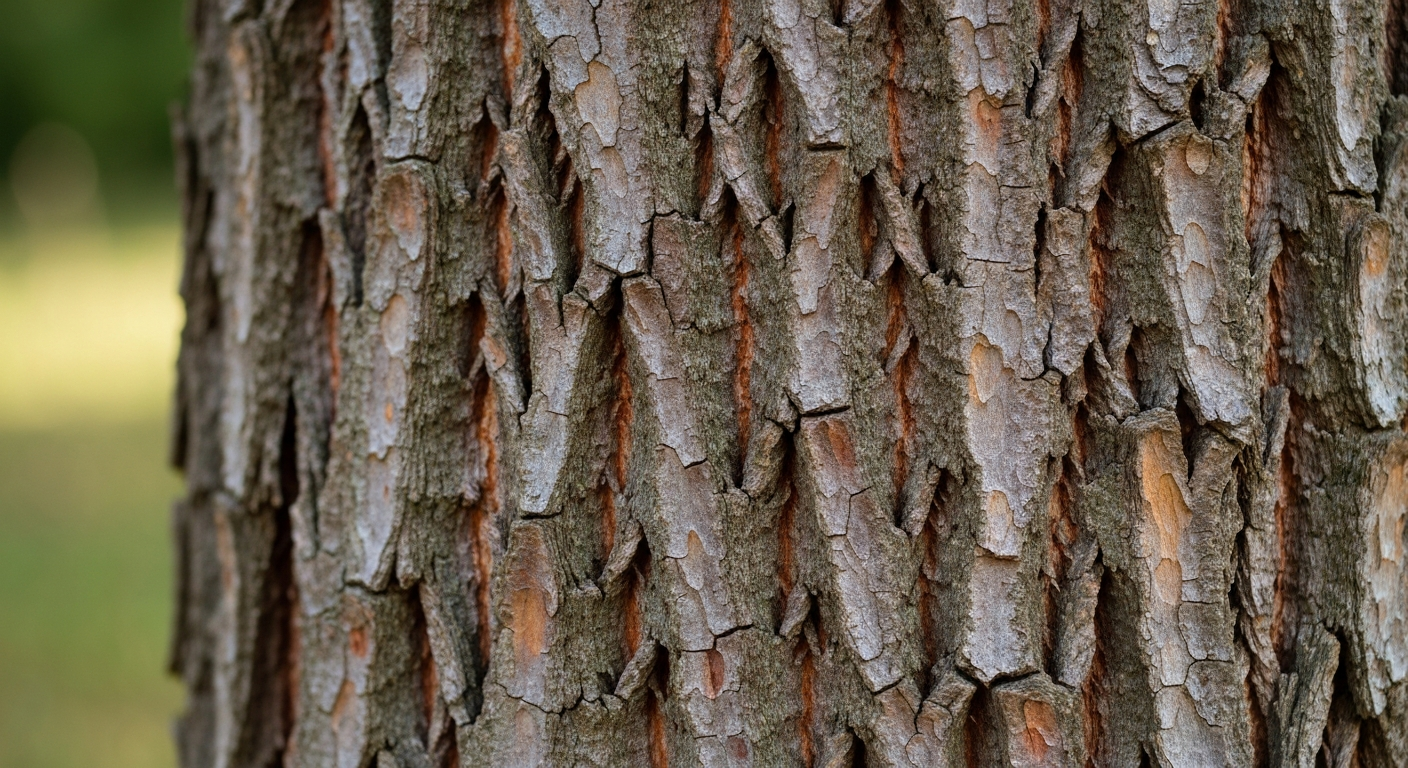
Young bark is smooth and dark gray to brown. Mature bark becomes scaly or ridged with a patchy look. The tree’s silhouette is often vase-like or broad-spreading with elegant bare architecture in winter — popular in landscape design.
Bark alone is not enough for eastern redbud identification; many small understory trees share dark smooth young bark. Pair bark with persistent pods, leaf scars, and next spring’s flower buds. Bark-first workflows for other species: identify trees by bark.
Redbud seedling identification
Redbud seedling identification matters for gardeners who find volunteers near a parent tree — and for anyone thinning woodland edges.
Early stages: After germination, cotyledons appear first, then true leaves that already show a miniature heart shape. That premature heart is the best seedling clue.
Scale: Seedling leaves are tiny — often under two inches at first. Place a coin or pen in the photo for scale so apps and friends do not confuse them with full-sized catalpa sprouts.
Context: Dense seedling carpets under a known redbud are almost self-explanatory. Isolated seedlings in lawn need the heart-leaf check plus future flower confirmation.
Confusion: Lilac and some viburnums have different leaf shapes and opposite arrangement. Young redbuds are alternate. Seedling catalpas escalate leaf size quickly toward giant hearts and often show whorled tendency — not tiny solitary lawn hearts.
If you only have a seedling photo, treat redbud seedling identification as a strong provisional label and verify at first bloom.
Seasonal calendar
- Late winter: Swelling flower buds along twigs; last year’s pods may still cling.
- Early spring: Peak eastern redbud identification — magenta on bark.
- Late spring: Heart leaves expand; flowers fade.
- Summer: Leaf + developing flat pods.
- Fall: Yellow foliage possible; brown pods.
- Winter: Architecture + pods; wait for spring flowers if unsure.
Yard context: redbuds appear on the short list of ornamental natives alongside dogwoods — see common backyard trees for neighbors often planted beside them.
Lookalikes and how to separate them
| Lookalike | Shared trait | Separation for redbud identification |
|---|---|---|
| Catalpa | Heart-shaped leaves | Catalpa leaves much larger; often whorled; long cylindrical pods; orchid-white flowers later |
| Paulownia | Large hearts | Lavender early flowers; oval capsules; invasive vigor |
| Linden / basswood | Heart-ish leaves | Toothed margins; asymmetrical base; hanging flower bracts — no cauliflory magenta |
| Flowering plum / cherry | Spring pink blossom | Flowers on short shoots, not blankets on old bark; serrated leaves, not entire hearts |
| Judas tree (C. siliquastrum) | Same genus look | Rare in US; eastern native contexts = C. canadensis |
When someone texts a pink blur asking “what type of tree is this?”, demand a close-up of flowers on wood — that single frame finishes eastern redbud identification. Protocol: what type of tree is this.
Cultivars you might still call eastern redbud
Landscapes feature burgundy-leaf ‘Forest Pansy’, weeping forms, dwarf habits, and white blooms. Cultivar names change leaf color and crown shape; they do not change the genus-level redbud identification rules: Fabaceae pods, heart leaves, cauliflory. Apps may return “eastern redbud” for cultivars — accurate enough for homeowners.
Using Tree Identifier for redbud
Tree Identifier is especially effective on spring flower photos that show blooms seated on bark. Summer workflow: photograph one full heart leaf with petiole, plus a pod if present. Seedling workflow: leaf + scale object + location near parent.
If the app suggests catalpa, compare leaf size and pod shape immediately — that misroute is the main automated confusion for heart leaves. Choosing tools: app to identify trees.
Western readers may encounter California or western redbuds (Cercis occidentalis and related taxa) — similar pea-family look, different ranges. Geography still matters for eastern redbud identification labels.
Why the ID is worth learning
Eastern redbud is a keystone ornamental native: early nectar for pollinators, manageable size, and unforgettable spring color. Correct identification prevents unnecessary removals of “mystery pink trees,” helps landscapers match cultivars, and gives hikers a reliable understory landmark. Once you nail one redbud in flower, redbud identification becomes permanent memory — the magenta-on-bark picture rarely leaves you.
Practice the same season on a maple and oak so heart leaves stay distinct from lobes — maple and oak guides help build that contrast.
Frequently asked questions
How do you identify an eastern redbud tree?
Eastern redbud identification uses three traits: alternate heart-shaped leaves with smooth margins, clusters of magenta to rose-pink flowers that bloom on bare twigs and even older bark in early spring (cauliflory), and flat pealike seed pods that ripen brown in fall. Trees are small, often multi-trunked understory or yard specimens. No other common eastern tree blooms that color on the trunk before leaves fully expand.
What does redbud identification look like in summer?
In summer, redbud identification relies on alternate simple heart-shaped leaves 2 to 5 inches wide with an entire (smooth) margin and a pointed tip. Leaves are thinner and smaller than catalpa hearts. Flat green then brown pods may hang among the foliage. Bark on young stems is smooth gray-brown; older trunks become scaly.
How do you do redbud seedling identification?
Redbud seedling identification starts with tiny heart-shaped true leaves after the cotyledon stage — already showing the cordate base. Seedlings often appear under parent trees from dropped pods. Young plants may look shrubby. Do not confuse with seedling catalpa (much larger leaves later) or lilac seedlings. Magenta stem color sometimes shows on new growth. Photograph a seedling leaf next to a coin for scale before using an app.
When do eastern redbuds flower?
Eastern redbuds typically flower in early to mid spring — often March to May depending on latitude — before or as leaves emerge. Flowering on old wood and bark is the classic eastern redbud identification moment. Bloom is brief but vivid; white-flowered cultivars exist but wild-type is magenta-pink.
What are the flat pods on redbud trees?
They are legumes — flat seed pods 2 to 4 inches long that turn from green to brown. Pods persist into winter on some trees and aid identify redbud tree searches when flowers are gone. Unlike catalpa’s foot-long cylindrical beans, redbud pods are short, flat, and pealike.
Is eastern redbud the same as Judas tree?
Eastern redbud is Cercis canadensis. The related Judas tree often refers to Cercis siliquastrum of Eurasia. Both share heart leaves and cauliflory, but ranges and details differ. In US yards and woods, eastern redbud identification almost always means C. canadensis or its cultivars (Forest Pansy, Alba, etc.).
Can apps identify redbud from leaf or flower photos?
Yes. Flower photos on bark are nearly definitive. Summer leaf photos work when the heart shape and smooth margin are clear; include a twig to show alternate arrangement. Seedling photos succeed when scale is visible. Tree Identifier handles eastern redbud well across eastern and central North America.
Try Tree Identifier — free on iPhone
Photograph redbud’s magenta flowers on bark or heart-shaped leaves and get a species match in seconds.
Download on the App Store