TL;DR: Tree gall identification starts with the host tree, then gall shape and location. Oak apple galls are round wasp-made “apples” on oaks; maple bladder galls are mite-made red pouches on maple leaves; witch hazel hosts cone-like insect galls that are not fruits. Most common galls are not diseases that kill healthy trees. ID the host with Tree Identifier, then match the gall form.
🔴 Rule of thumb: host first, gall second. An apple-sized ball on oak is not the same story as a red blister on maple. Wrong host = wrong gall name every time.
What tree galls are (and what they are not)
A gall is plant tissue that grows in an unusual shape because an outside organism hijacked the plant’s growth hormones or wound responses. Insects (especially tiny wasps and aphids), mites, fungi, and bacteria can all induce galls. The plant builds the house; the inducer lives in or on it.
Galls are not the same as mushrooms on stumps, shelf fungi on trunks, or root rot. Those pathogen and decay stories belong elsewhere — see related reading such as fungus on tree stump when the structure is fungal, not a leaf pouch.
Tree gall identification for homeowners usually means leaf and twig oddities that look alarming in May through August. Understanding cause and host calms the impulse to spray everything.
A simple ID workflow
- Identify the tree species — oak, maple, witch hazel, etc.
- Locate the gall — leaf blade, midrib, petiole, bud, or twig.
- Describe shape and color — sphere, bladder, cone, spindle; green, red, brown.
- Note season — fresh soft tissue vs dry leftover shells.
- Match common types for that host before hunting rare wasp names.
Photography: gall close-up + full leaf + host stand-back. Tree apps excel at step 1. Step 5 often stays visual comparison even for entomologists.
Oak apple galls
Oaks (Quercus) host a spectacular diversity of cynipid gall wasps. Oak apple galls are among the most conspicuous.
Appearance: Round structures roughly 1–2 inches (size varies by species), attached to leaves or midribs. Young galls are green and mottled; interiors are spongy with a harder central chamber for the larva. With age they brown, dry, and become papery shells after the wasp exits.
Cause: Gall wasps (Cynipidae). The female lays eggs; larval chemistry induces the oak to build the apple-like structure. Different wasp species create different oak gall shapes — bullets, discs, woolly tufts — so “oak apple” is a morphotype name, not one exclusive Latin binomial for every round gall.
Tree health: Heavy crops look dramatic. Healthy oaks typically shrug them off. Do not confuse oak apples with edible fruit; they are insect-plant constructs.
Confirm the host as oak using acorns or leaves — Oak Tree Identification and How to Identify an Acorn help when foliage is confusing.
Maple bladder galls
Maple bladder (or maple pouch) galls are common on silver maple, red maple, and related species.
Appearance: Raised, rounded bladders on the upper leaf surface, often bright red or pink when growing, later darkening to brown or black. Undersides may show openings or mite association cues. Clusters can freckle an entire leaf.
Cause: Eriophyid mites — microscopic plant feeders — not gall wasps. The mite induces the pouch; populations can explode in warm springs.
Tree health: Rarely serious for mature maples despite striking color. Aesthetic concern drives most homeowner calls. Chemical treatment for bladders is usually unnecessary and poorly timed for tiny mites.
Host confirmation: Maple Tree Identification and Acer Tree Identification.
Witch hazel galls
Witch hazel (Hamamelis virginiana and relatives) is a native shrub to small tree with autumn flowers. It hosts distinctive insect galls that puzzle people who expect only yellow ribbon blooms.
Common forms: Cone galls, spindle galls, and other pointed or swollen leaf/twig structures induced by aphids and related insects depending on species. Some look like miniature green cones or thorns replacing normal leaf tissue.
ID tip: Confirm witch hazel host first — alternate simple leaves with wavy margins, winter flower buds, multi-stem habit. Then compare gall shapes with regional guides. Do not confuse galls with the woody seed capsules witch hazel also produces; capsules are paired woody fruits, not soft leaf cones.
Understory context for similar shrubs appears in Shrub Identification Guide.
Why most galls are not “diseases”
Disease language implies progressive plant decline. Many galls are localized developmental hijacks with limited systemic impact. Contrast:
- Gall (insect/mite): Discrete structure, animal life cycle inside, tree keeps growing.
- Fungal leaf spot: Spreading necrotic lesions, different biology.
- Vascular wilt: Whole-branch dieback, urgent arborist interest.
- Root/stem decay fungi: Structural risk — see stump and root fungus guides when woody decay is present.
Call an arborist if galls coincide with dieback, oozing cankers, or rapid canopy loss — not merely because leaves look polka-dotted with red bladders.
Other gall types you may meet
- Willow pine-cone galls: Bud galls resembling cones on willow shoots.
- Hackberry nipple galls: Small raised pimples on hackberry leaves.
- Stem gouty galls on oaks: Woody swellings on twigs — still wasp-induced, longer-lived.
- Crown gall (bacteria): True plant pathogen at roots/graft unions — different category from leaf oak apples.
Always separate leaf vanity galls from bacterial crown gall when researching “gall disease.” Names overlap casually in search results.
How apps fit tree gall identification
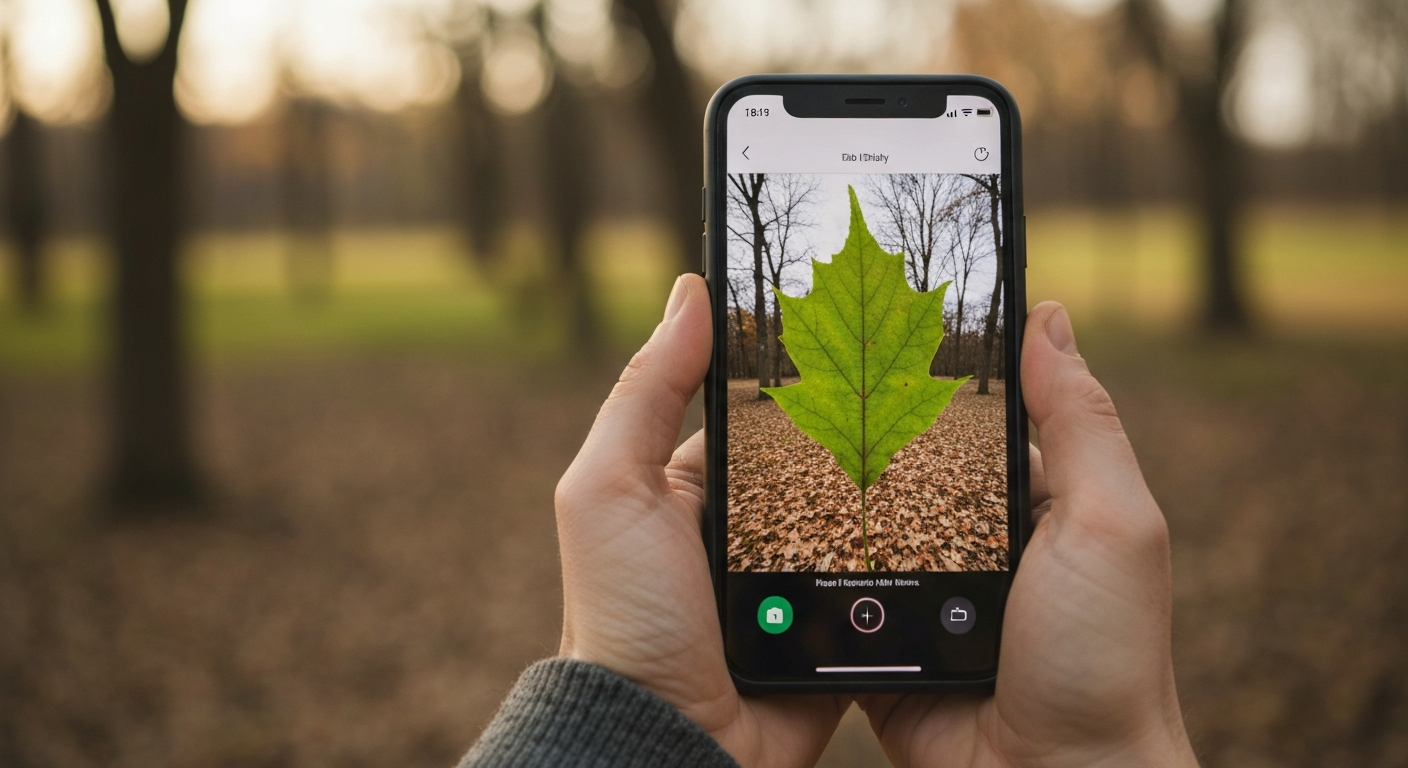
Tree Identifier answers “which tree am I holding?” Photograph an ungaled leaf or bark when possible — extreme gall coverage can obscure leaf outlines. Once the host is oak, maple, or witch hazel, your gall name space shrinks to a handful of common morphologies.
Do not expect species-level wasp names from a tree app. Entomologists use rearing, dissection, and specialist keys. Homeowners need host + morphotype for peace of mind.
Photo technique primers: Best Photo for Tree ID and foliage structure basics in Tree Anatomy Glossary.
Field ethics and “should I remove them?”
Pick a few dried oak apple shells for classroom demos if local rules allow — leave living green galls where wildlife and parasitoid wasps use them. Pruning every blistered maple leaf is futile. Focus energy on watering young trees in drought rather than cosmetic gall pursuit.
If neighbors panic, share the host-first rule: red maple bladders ≠ infectious zombie tree disease.
Putting oak, maple, and witch hazel side by side
- Oak apple: Host oak · round soft-to-papery balls · wasp · summer spectacle.
- Maple bladder: Host maple · red pouch bumps on leaf blade · mite · spring–summer freckling.
- Witch hazel gall: Host Hamamelis · cone/spindle structures · insect (often aphid-related) · easy to misread as fruit.
Memorize that trio and you will solve most backyard tree gall identification questions without Latin wasp lists.
Frequently asked questions
What is a tree gall?
A gall is abnormal plant tissue growth triggered by insects, mites, fungi, bacteria, or other organisms. On trees, common galls form on leaves, stems, buds, or twigs. The host plant builds the structure; the inducer lives inside or on it. Tree gall identification starts by noting host species, gall location, and shape.
Are tree galls a disease?
Usually no. Most leaf and twig galls from wasps or mites are cosmetic. Heavy outbreaks can look alarming and may reduce some photosynthetic area, but they rarely kill healthy mature trees. Vascular wilts, cankers, and root rots are different problems. Treat galls as ecological curiosities unless a certified arborist flags a severe infestation.
What is an oak apple gall?
Oak apple galls are round, apple-like leaf or midrib galls on oak (Quercus) caused by cynipid gall wasps. Young galls are green and spongy; older ones turn brown and papery with a hard larval chamber inside. Soft, mottled balls hanging among oak leaves in summer are classic oak apples.
What causes maple bladder galls?
Maple bladder galls are raised pouch-like bumps on maple leaves, often bright red when young, caused by eriophyid mites (not wasps). Silver maple and red maple commonly show them. They are ugly but usually harmless. Identification uses host maple + bladder shape + color cycle from red to blackish.
What are witch hazel galls?
Witch hazel (Hamamelis) hosts several distinctive galls, including cone or spindle galls from aphids and other insect inducers. The plant is a large shrub or small tree; galls sit on leaves or twigs. Match the host first — many 'mystery cones' on witch hazel are galls, not fruits.
How do I photograph galls for ID?
Shoot the gall close-up, a full leaf or twig showing attachment, and a stand-back of the host tree. Include something for scale. Apps identify trees better than obscure gall wasp species; identify the host tree first, then match gall type by shape guides.
Can Tree Identifier help with galls?
Tree Identifier identifies the host tree from leaf or bark photos. Once you know oak vs maple vs witch hazel, tree gall identification becomes a short visual match. The app is not primarily a gall-wasp key — use it for the tree, then compare gall forms.
Try Tree Identifier — free on iPhone
Identify the host tree first — then match oak, maple, or witch hazel galls with confidence.
Download on the App Store